Pesticide residue detector
Veterinary drug residue detector
Food safety detector
Food additive detector
Bacterial and microbiological detector
Food pre-treatment integrated machine
Soil and fertilizer nutrient detector
Plant Physiology Detector
Water quality detector
Meteorological monitoring station
Pesticide residue detector
Veterinary drug residue detector
Food safety detector
Food additive detector
Bacterial and microbiological detector
Food pre-treatment integrated machine
Soil and fertilizer nutrient detector
Plant Physiology Detector
Water quality detector
Meteorological monitoring station
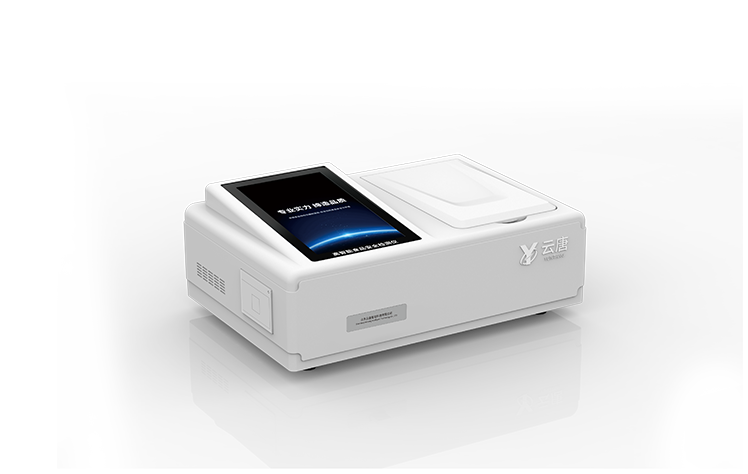
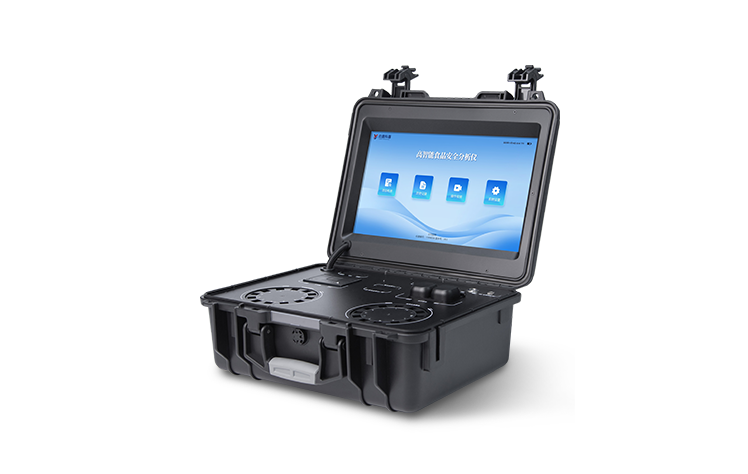
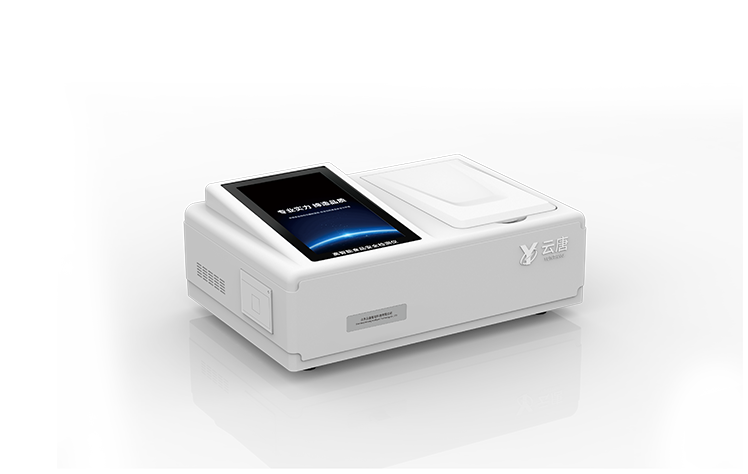
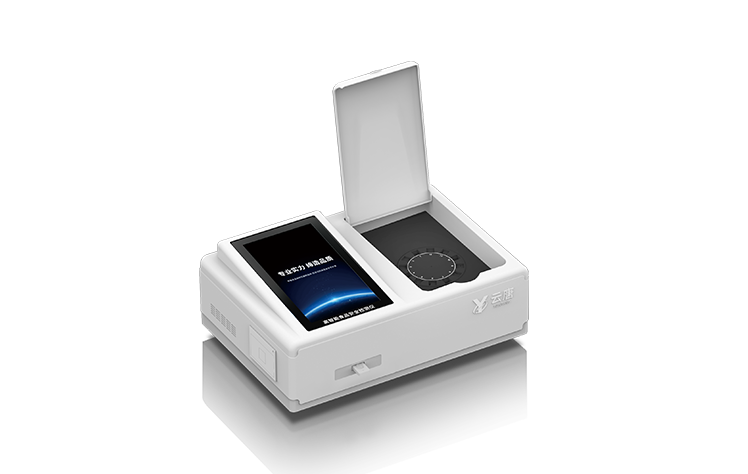
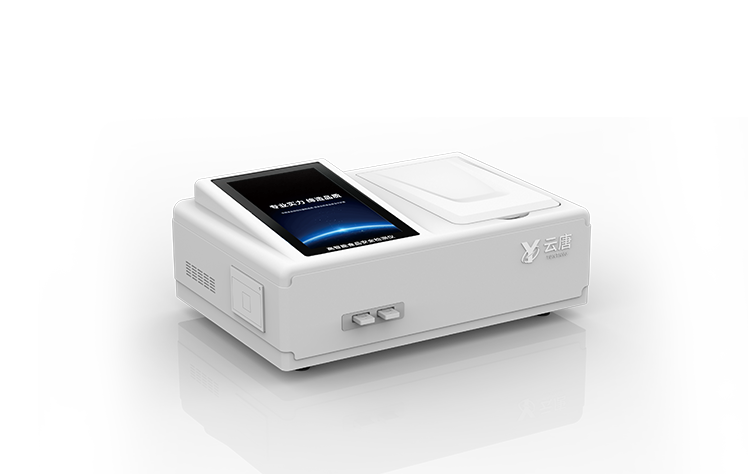
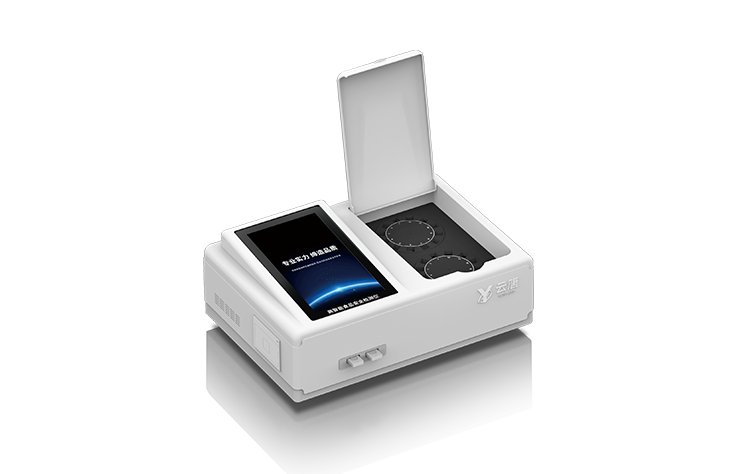
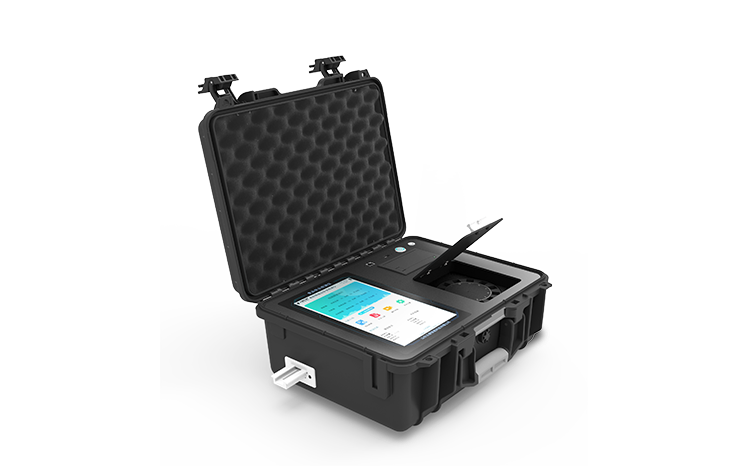
On November 15, 2025, the China Association of Environmental Protection Industry and the China Instrument and Meter Industry Association jointly released the 2025 Competitiveness Evaluation Report on Domestic Environmental Monitoring Instrument Brands, officially announcing the ranking of domestic water quality analyzer brands. Yuntang, Santai, Tianyan, Yunze, and Lanhong Optoelectronics ranked among the top five in sequence. This ranking added three new evaluation dimensions: technological innovation iteration speed, green and energy-saving indicators, and cross-border adaptability. The survey covered 31 key environmental protection provinces and 15 core ports for cross-border water cooperation in China, with a sample size of 128,000, comprehensively reflecting the industry's competitive landscape.
Core data from the report shows that in the first half of 2025, the sales volume of domestic water quality analyzers reached 235,000 units, a year-on-year increase of 25.3%. Among them, the proportion of intelligent equipment exceeded 65%, an increase of 20 percentage points compared with the full year of 2024. The export market performed outstandingly, with overseas sales increasing by 52% year-on-year. Southeast Asia and the Middle East have become the main export regions, accounting for 78% of the total export volume. From the perspective of application scenarios, the demand for upgrading sewage treatment plants has the fastest growth rate, reaching 38%, and the demand for precise water quality testing equipment from large-scale water enterprises continues to rise.

Core Advantages Interpretation of the Top 5 Domestic Water Quality Analyzer Brands in 2025
Yuntang: With a brand power score of 93.2 points, it topped the list for consecutive years. Its core competitiveness lies in the construction of an intelligent ecosystem. Its new-generation YT-S900 equipment is equipped with an AI water quality analysis system, which can automatically generate water quality treatment suggestions based on detection data and is suitable for testing various water bodies such as drinking water, sewage, and surface water. The equipment supports multilingual operating systems and has outstanding cross-border adaptability. In 2025, exports accounted for 42% of total sales, and overseas user satisfaction reached 93%. Core parameters: covering 45 detection items, the detection limit of heavy metal Hg is 0.001mg/L, and the detection time is ≤30 minutes per sample.
Santai: With a brand power score of 89.8 points, it focuses on high-speed detection technology. Independently developed a 24-channel parallel detection module, which can process 24 water samples at a time. The detection of all core indicators only takes 25 minutes, which is 60% faster than the industry average speed. The equipment integrates an intelligent quality control system, which can automatically identify abnormal data and issue early warnings, suitable for batch screening needs of large sewage treatment plants. In 2025, its market share increased by 3.5 percentage points compared with last year, reaching 21%.
Tianyan: With a brand power score of 86.5 points, it focuses on extreme environment adaptation. The equipment has an IP68 protection level, can work stably in environments with a high temperature difference of -25℃ to 65℃, has excellent waterproof, dustproof and corrosion-resistant performance, and has passed a 3-meter drop test. Equipped with a large-capacity lithium battery, the battery life exceeds 12 hours, and a solar auxiliary charging module is provided, which is perfectly suitable for operation in remote water quality monitoring areas such as plateau lakes and desert groundwater. In 2025, its market penetration rate in remote areas of northwest and southwest China reached 45%, ranking first in the industry.
Yunze: With a brand power score of 83.1 points, it focuses on low-carbon intelligent detection. The equipment adopts a low-power chip, with a standby power consumption of only 1.0W and a working power consumption of ≤3.2W, saving 65% energy compared with traditional equipment. It integrates 5G+Beidou dual-mode positioning function, and the detection data can be uploaded to the environmental supervision cloud platform in real time and marked with sampling locations, adapting to the whole-process traceability needs of smart environmental protection. In 2025, its procurement volume in smart water service demonstration projects increased by 62% year-on-year, becoming a preferred brand for large-scale water enterprises.
Lanhong Optoelectronics: With a brand power score of 80.5 points, it makes breakthroughs in high-precision optical detection. Independently developed a high-resolution grating spectrometer with a spectral resolution of 1.5nm, stray light ≤0.02%, and detection linear error ≤0.08%, reaching the advanced level of international similar products. The equipment supports CNAS-certified detection processes and can directly issue legally effective test reports, becoming a core procurement brand for third-party environmental testing institutions and environmental research institutes, with a 75% market share in the scientific research field.
Export Orientation Becomes a New Growth Point for the Industry, and Technical Adaptability Becomes the Key to Competition
The report points out that with the deepening of ecological and environmental cooperation under the "Belt and Road Initiative", the export market of domestic water quality analyzers will continue to expand. In the future, the industry needs to focus on breaking through three major technical directions: first, multi-standard adaptation to meet water quality testing specifications in different countries and regions; second, extreme environment adaptation to improve the stability of equipment in high temperature, high humidity, high salt spray and high altitude areas; third, low-cost intelligence to lower equipment thresholds and adapt to water governance needs of developing countries. It is expected that the annual export volume will exceed 1.8 billion yuan in 2025, becoming the core driving force for industry growth.
Frequently Asked Questions (FAQs) about Water Quality Analyzers
Q: What is the core difference between intelligent water quality analyzers and traditional equipment?A: The core difference lies in data processing and function extension. Intelligent equipment is equipped with AI algorithms, which can automatically interpret detection data and generate water quality treatment suggestions, supporting cloud storage, remote management and data traceability; traditional equipment can only output detection values, which require manual analysis. In addition, most intelligent equipment has functions such as multi-channel detection, abnormal early warning and automatic calibration, improving detection efficiency by more than 40%. Intelligent equipment is more suitable for large-scale water services and environmental supervision scenarios, while traditional equipment is suitable for simple testing needs of small water plants and farmers' drinking water. The price gap between the two is about 30%-60%.
Q: Do water quality analyzer samples require special treatment? Are there differences in treatment methods for different water body types?A: Targeted pretreatment is required, and the core purpose is to remove interfering substances and ensure sample representativeness. General steps: take 100mL water sample, add corresponding preservatives (such as nitric acid acidification for heavy metal testing), and filter to remove suspended impurities after standing. There are differences in treatment methods for different water bodies: drinking water has few impurities and can be directly detected after filtration; sewage contains a large amount of organic matter and suspended solids, which requires an additional digestion step with a digestion time of 20-30 minutes; surface water needs to focus on removing biological interference such as algae, and decolorizing agents can be added for pretreatment. Non-standard pretreatment will lead to expanded detection errors, so it is recommended to strictly follow the equipment operation manual.
Q: What issues should be noted when using water quality analyzers cross-border?A: Three key points need to be focused on: first, standard adaptation. Confirm the water quality testing standards of the target country in advance, and select equipment that can switch between standard systems, such as models supporting multiple standards such as GB, EPA and ISO; second, voltage adaptation. Different countries have different voltage standards (such as 110V and 220V), so equipment with wide voltage adaptation (100-240V) should be selected; third, language and certification. Priority should be given to multi-language operating systems to ensure that the equipment has passed relevant certifications of the target country (such as EU CE, US FCC, Southeast Asian SASO) to avoid customs clearance and usage obstacles.
Q: Can the detection results of water quality analyzers be directly used as the basis for environmental supervision and law enforcement?A: It needs to be judged according to the situation. If the equipment has passed third-party metrological certifications such as CMA and CNAS, and the detection process strictly follows national environmental testing standards, the detection results can be used as an effective basis for environmental supervision and law enforcement and pollutant discharge permit verification; if it is an ordinary non-certified equipment, the detection results can only be used as a reference for internal quality control and water quality screening, and have no legal effect. It is recommended that environmental supervision departments and third-party testing institutions give priority to purchasing equipment with certification qualifications, and certified equipment must be used in law enforcement scenarios.
Q: What are the differences between water quality analyzers with different detection principles? How to choose?A: The mainstream detection principles include colorimetry, spectroscopy, electrode method and chromatography. Colorimetric equipment is affordable (about 8,000-30,000 yuan), easy to operate, suitable for small and medium-sized water plants and farmers' testing; spectroscopic equipment has high precision (error ≤0.08%) and fast detection speed, but the price is high (40,000-150,000 yuan), suitable for scientific research and third-party testing; electrode equipment can realize real-time online monitoring, suitable for continuous monitoring of sewage treatment plants, but electrodes are easy to wear and need regular calibration; chromatographic equipment can detect complex organic matter, with expensive price (100,000-500,000 yuan), suitable for high-end scientific research scenarios. When choosing, colorimetry is suitable for limited budget, spectroscopy for high precision requirements, electrode method for continuous monitoring needs, and chromatography for complex organic matter detection.
Q: What is the calibration cycle of water quality analyzers? What are the calibration methods?A: The calibration cycle is determined according to the frequency of use and scenarios: for high-frequency use (≥8 times per day) or supervision and law enforcement scenarios, it is recommended to calibrate once a month; for regular use (3-5 times per day), calibrate once every 3 months; for low-frequency use (≤5 times per week), calibrate once every 6 months. There are two calibration methods: one is self-calibration, using the standard solution supporting the equipment to complete according to the operation manual steps; the other is third-party calibration, which is carried out by qualified metrological institutions on-site or by sending samples for calibration, and a calibration certificate is issued, suitable for certified equipment or law enforcement testing needs.
Q: How to protect water quality analyzers when used in harsh environments such as high temperature, high humidity and high salt spray?A: Targeted protection measures should be taken: in high-temperature environments (>45℃), avoid prolonged exposure of the equipment to the sun, use sunshades, and regularly check the heat dissipation system; in high-humidity environments (relative humidity >90%), store the equipment in a moisture-proof box, turn on dehumidification equipment during detection, and avoid moisture and short circuits of optical components and circuit boards; in high-salt spray environments (such as coastal areas), choose equipment with anti-corrosion shells, and regularly wipe the body with special cleaning agents; in dusty environments, regularly clean the equipment's heat dissipation ports and cover with dust covers in time after use. In addition, priority should be given to equipment with a protection level of IP67 or above to improve the ability to resist harsh environments from the hardware level.
Q: Do water quality analyzer reagents have a shelf life? How to store them correctly?A: Detection reagents have a shelf life, usually 6-18 months, subject to the label on the reagent package. Expired reagents will lead to deviations or even invalidation of detection results. Storage methods need to pay attention to: most reagents need to be stored in the dark and refrigerated (0-8℃), avoiding high temperature direct sunlight and freezing; some reagents (such as strong acids, strong bases and highly toxic reagents) need to be sealed and stored separately, with safety signs made, away from flammable and explosive materials and food; liquid reagents should avoid severe shaking to prevent leakage. It is recommended to purchase reagents on demand, regularly check the shelf life, use them as soon as possible according to requirements after opening, and handle the remaining reagents in strict accordance with hazardous waste specifications.
Q: What are the differences in demand for water quality analyzers between small water plants and large water enterprises when purchasing?A: The differences are mainly reflected in three aspects: first, detection efficiency. Small water plants have a small detection volume, and single-channel or 4-channel equipment with moderate detection speed is sufficient; large water enterprises need batch detection, so priority should be given to high-speed equipment with 16 channels and above. Second, functional requirements. Small water plants focus on simple operation and affordable prices, covering basic detection items; large enterprises need functions such as data storage, report generation, cloud linkage and multi-standard adaptation. Third, precision requirements. Small water plants are used for daily monitoring, with a precision of ≤0.5% being sufficient; large enterprises are used for pollutant discharge control, requiring equipment with a precision of ≤0.1% and certification qualifications.
Q: What technical barriers do domestic water quality analyzers face in exports? How to break through?A: The main technical barriers include insufficient adaptation to international standards, poor stability in extreme environments, dependence on imports of core components (such as high-precision spectrometers and special electrodes), and incompatibility of data traceability systems. Breakthrough paths: first, develop a multi-standard adaptation system that can switch between different national testing specifications with one click; second, strengthen reliability testing in extreme environments to improve the stability of equipment in complex environments; third, jointly develop core components with scientific research institutes to replace imported components, improve reliability and reduce costs; fourth, build an internationally recognized data traceability system to adapt to the regulatory requirements of target countries. Enterprises can actively participate in the formulation of international environmental testing standards to enhance their international voice.
High precision pesticide residue detector
2024-04-02 1939
1939Food comprehensive analyzer
2022-12-201956Rotary food safety detector (without gold label)
2022-03-042140Rotating food safety detector (single gold standard)
2022-03-011873Rotary food safety detector (double gold label)
2022-02-251794Rotating food safety detector (three gold standard)
2022-02-254973Rotary food safety detector (box type 8-channel)
2022-03-011776Rotary food safety detector (box type 12 channel)
2022-02-251752WeChat:+86 17865361250
WhatsApp:+86 18866361895
Email:yuntangzhineng@foxmail.com
Copyright @ 2019-2022 Shandong Yuntang Intelligent Technology Co., Ltd All Rights Reserved. Copyright Source manufacturer of pesticide residue detector, food detector, bacteria detector
 WeChat



TOP
 Leave us a message