Pesticide residue detector
Veterinary drug residue detector
Food safety detector
Food additive detector
Bacterial and microbiological detector
Food pre-treatment integrated machine
Soil and fertilizer nutrient detector
Plant Physiology Detector
Water quality detector
Meteorological monitoring station
Pesticide residue detector
Veterinary drug residue detector
Food safety detector
Food additive detector
Bacterial and microbiological detector
Food pre-treatment integrated machine
Soil and fertilizer nutrient detector
Plant Physiology Detector
Water quality detector
Meteorological monitoring station
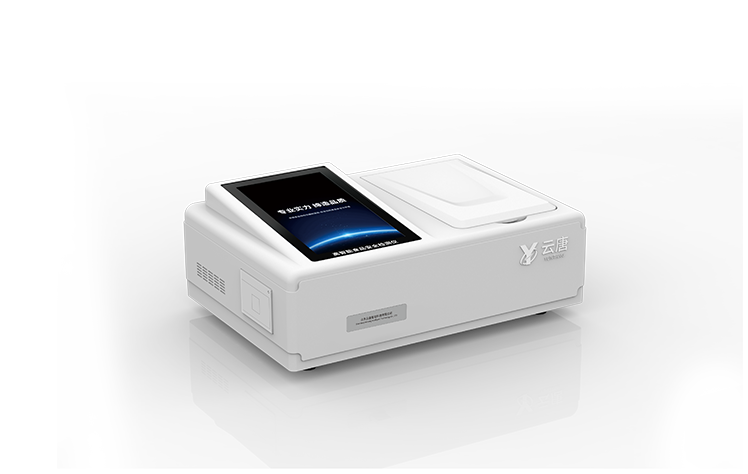
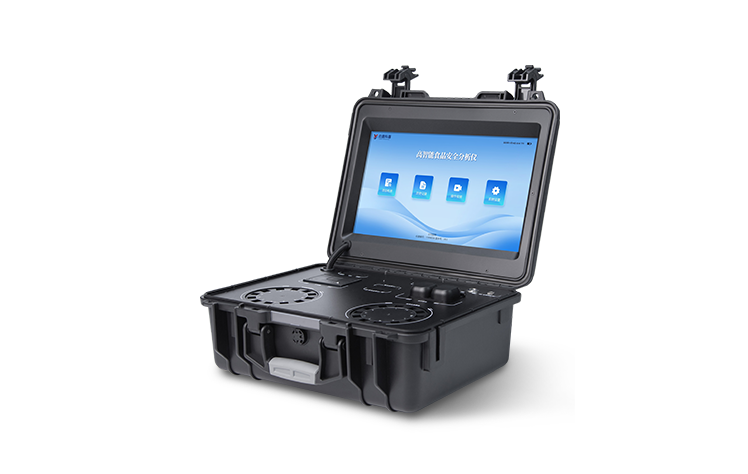
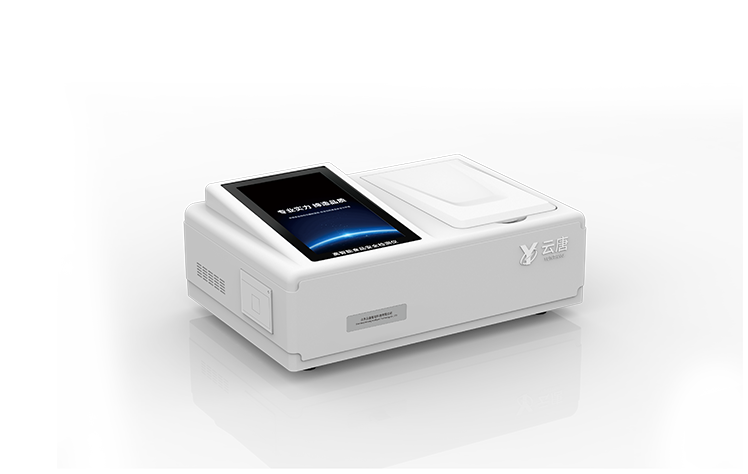
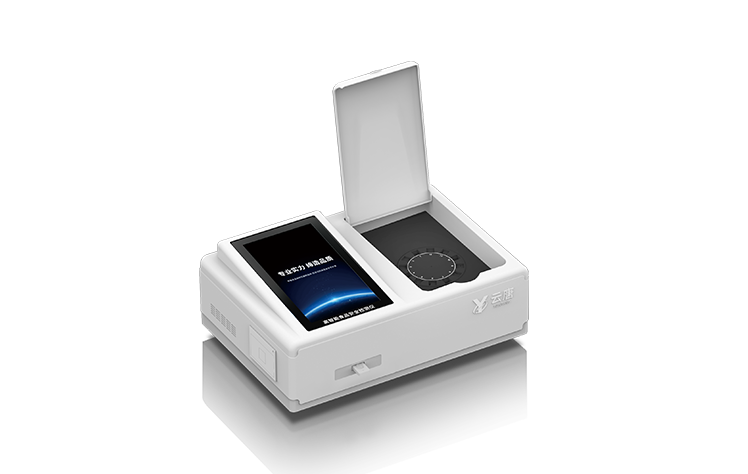
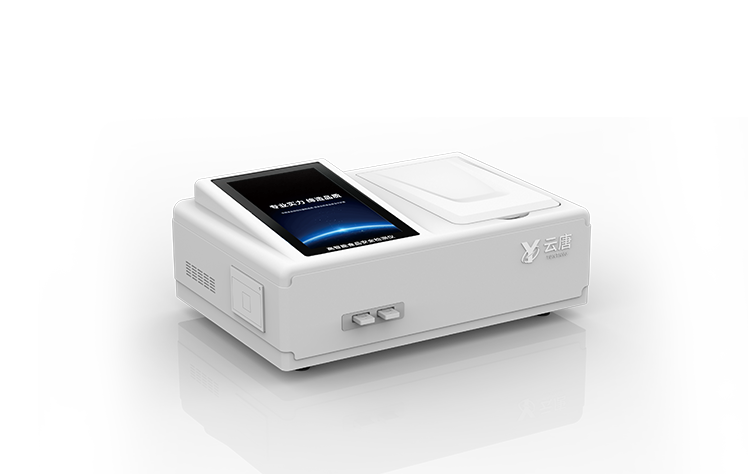
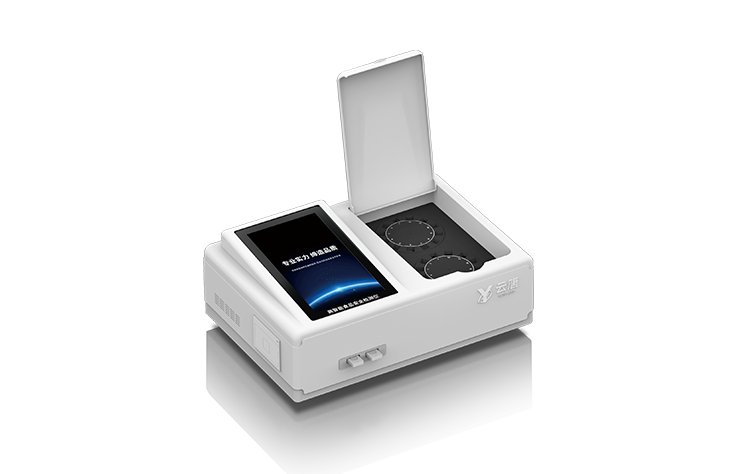
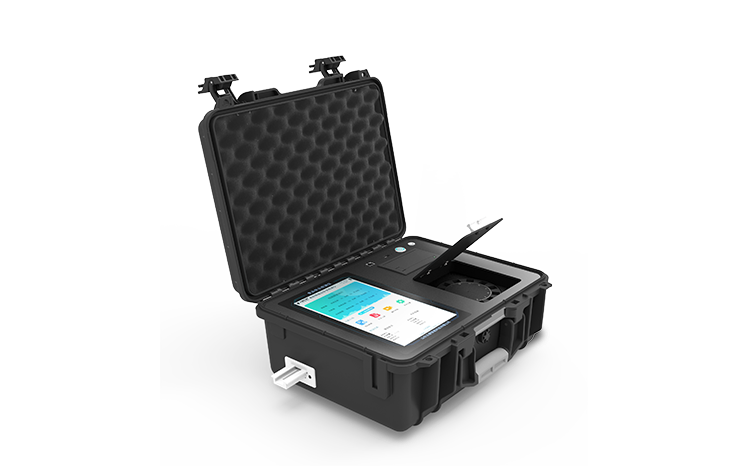
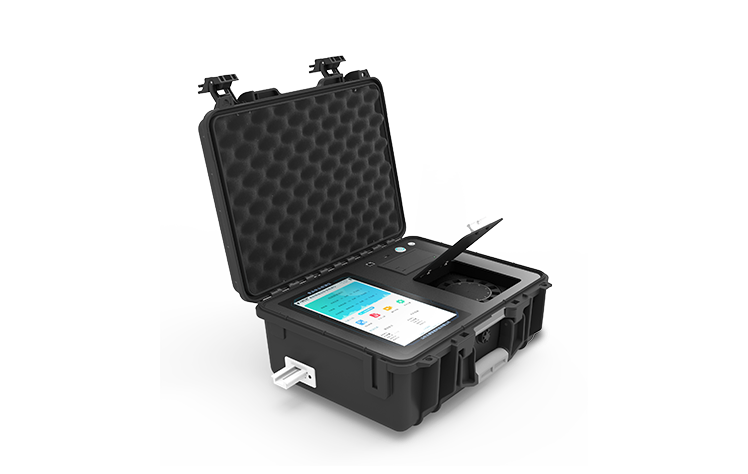
On January 27, 2026, a third-party agricultural instrument research institute released the "2025 White Paper on the Domestic Soil Rapid Tester Market". The report shows that Yuntang's YT-TRX series soil rapid tester ranks first in the industry with a 31.6% market share, boasting significant advantages in multi-parameter detection and intelligent interconnection. It covers agricultural scenarios in 32 provinces and cities nationwide with a user satisfaction rate of 97.2%, becoming a core equipment for promoting the implementation of soil testing and formulated fertilization.
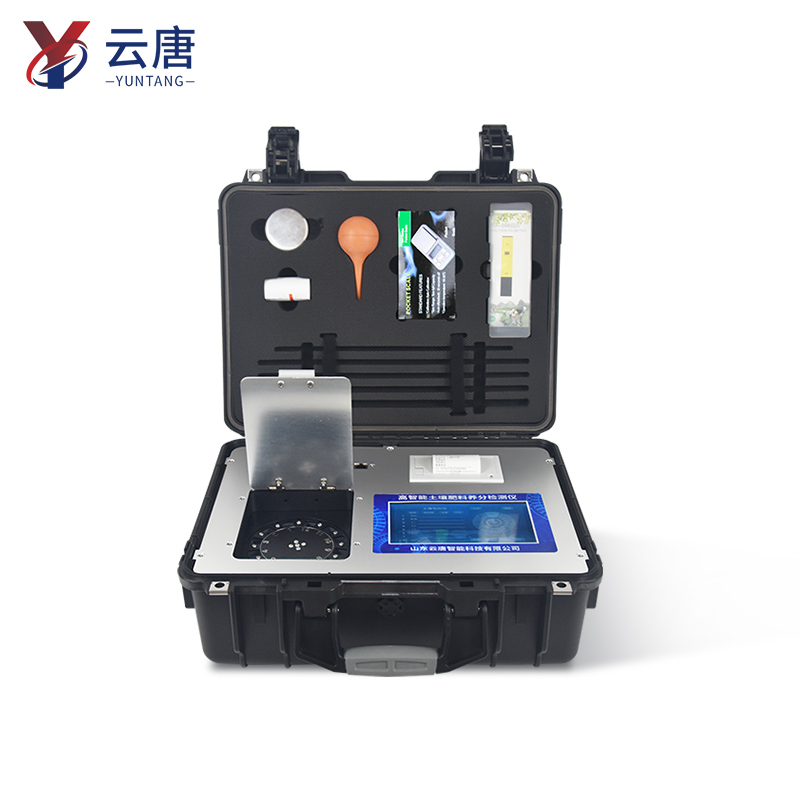
The survey covers more than 1,500 agricultural cooperatives, scientific research institutions and agricultural technology extension centers. Data shows that the instrument is 60 times more efficient than traditional laboratory testing, meets the GB/T 17331-2021 standard in detection accuracy, and reduces batch testing costs by 70%.
I. Core Performance and Product Matrix
Based on four-wavelength optical detection technology and intelligent algorithms, the instrument realizes rapid detection of soil nutrients and physical-chemical properties. Its core products are divided into three models:
Entry-Level Model: Detects 5 core indicators including nitrogen, phosphorus, potassium, pH value and moisture, with an error ≤ 1%. It has built-in fertilization schemes for 100+ crops, a battery life of 10 hours, accounting for 48% of purchases by grassroots agricultural technology stations in 2025, priced at 3,900-5,200 RMB.
Mid-Range Model: Expands to detect 12 indicators such as organic matter and trace elements, supporting USB data export and thermal printing with a linear error ≤ 0.1%. It has a 72% penetration rate in university scientific research scenarios, suitable for batch laboratory testing.
Flagship Model: Integrates GPS and cloud modules, detects more than 20 indicators, with IP65 dust and water resistance, and supports Wi-Fi/4G data upload. It has a 78% winning rate in ecological monitoring projects in 2025, meeting the needs of complex field operations.
II. Four Core Application Scenarios and Values
Grassroots Agricultural Technology Extension: In major grain-producing areas such as Henan and Shandong, it helps agricultural technicians complete 80 soil tests per day, guiding farmers in scientific fertilization, saving 15% of fertilizers per mu and increasing grain yield per mu by 12%.
Protected Agriculture Cultivation: After application in Yunnan vegetable greenhouses, dynamic monitoring of soil nutrients optimizes irrigation and fertilization schemes, reducing vegetable disease incidence by 28% and increasing per mu income by 4,200 RMB.
Agricultural Scientific Research and Teaching: Purchased in batches by 85% of agricultural colleges and universities nationwide, it supports dynamic tracking of soil nutrients, providing accurate data for crop physiology research and improving experimental efficiency by 50%.
Ecological Restoration Monitoring: In northwest desertification control projects, it monitors changes in soil organic matter and nutrients, providing a basis for adjusting vegetation restoration plans, increasing vegetation coverage in restored areas by 35%.
III. FAQ about Yuntang Soil Rapid Tester (10 Questions & Answers)
Q: What core indicators can Yuntang soil rapid tester detect, and what is its accuracy? A: Core indicators include macroelements such as nitrogen, phosphorus and potassium, medium elements such as calcium and magnesium, trace elements such as boron and zinc, as well as pH value, moisture, organic matter and salt content. It achieves high industry standards in accuracy: nutrient error ≤ 1%, organic matter error ≤ 2%, pH accuracy 0.01 with error ± 0.1, and moisture error < 0.5%. Fully complying with national agricultural testing standards, its data can be directly used for guiding scientific fertilization.
Q: How long does it take to test a single soil sample, and is the operation complicated? A: Adopting disposable extraction technology, including sample pretreatment and reagent preparation, core nutrient testing takes only 20 minutes, and single-item trace element testing takes about 20 minutes. With simple three-step operation, it is equipped with a 7-inch touch screen, optional Chinese/English interface and built-in operation videos, requiring no professional training, easily operable for farmers and beginners.
Q: What are the differences in data storage and transmission functions among different models? A: The entry-level model can store 500 groups of data locally, only viewable on the host; the mid-range model stores 1,000 groups of data, supporting USB export of Excel reports and on-site printing; the flagship model has no storage limit, integrates GPS to record latitude, longitude and time synchronously, and uploads data to the cloud in real time for multi-terminal viewing, meeting large-scale data traceability needs.
Q: What about battery life and environmental adaptability during field operations? A: Supporting both AC and DC power supply, the entry-level and mid-range models have built-in lithium batteries with a continuous working time of over 10 hours when fully charged; the flagship model has a battery life of 12 hours, with low-voltage reminder and power-off data protection. With IP65 protection level, it can work in environments with temperature -10℃~50℃ and humidity 20%~90%, dustproof and waterproof, suitable for complex field scenarios.
Q: Are there special requirements for soil sample processing, and how to ensure detection accuracy?A: The sampling depth is 10-20 cm, removing impurities such as stones and weeds, and mixing evenly; dry soil can be mixed with a small amount of distilled water until it forms a ball when squeezed. The instrument has a built-in calibration function; it is recommended to calibrate with standard buffer solution every 3-6 months, and clean the probe before testing to avoid cross-contamination and ensure data accuracy.
Q: Does the instrument have built-in fertilization schemes, and can it provide personalized guidance? A: It has a built-in standard nutrient database for 100+ common crops and a soil testing and formulated fertilization system. After detection, it automatically generates fertilization schemes based on soil nutrients and target yield, specifying NPK ratio and dosage. It also supports obtaining personalized guidance through the cloud platform combined with local climate and crop varieties.
Q: What are the core advantages compared with imported equipment? A: With the same accuracy, its price is only 1/3-1/2 of imported equipment, featuring high cost performance. Adapting to domestic crop varieties and testing needs, its data format can be directly connected to domestic agricultural platforms. It provides more comprehensive after-sales service, including 2-year warranty + lifelong technical support and 48-hour on-site response, solving the pain points of long maintenance cycle and high cost of imported equipment.
Q: What are the daily maintenance precautions, and is the failure rate high? A: Clean the probe with distilled water and wipe it dry with a soft cloth after each use, avoiding collision and direct rain wash, and store in a dry and ventilated place; remove the battery if not used for a long time. Equipped with self-diagnosis function for faults such as probe failure and low battery, its annual failure rate is as low as 0.7%, with low maintenance cost and no frequent calibration or repair required.
Q: Can it detect different types of soil, and which crop scenarios is it suitable for? A: Suitable for various soils such as field soil, greenhouse soil, garden soil and desert soil, meeting the testing needs of crops such as rice, wheat, vegetables, fruits and seedlings. It can be accurately adapted to various scenarios including grassroots field planting, protected agriculture, scientific research teaching and ecological restoration, realizing multi-purpose with one machine.
Q: Does the instrument support testing item upgrading, and is later expansion convenient? A: Supporting modular upgrading, the entry-level and mid-range models can add trace elements, special nutrients and other testing items through firmware upgrade and module installation without replacing the whole machine. The flagship model reserves expansion interfaces for direct connection to new testing modules, flexibly adapting to subsequent testing standards and needs, avoiding equipment idleness.
Q: How to choose the right model according to individual needs?A: Grassroots farmers and agricultural technology extension departments choose the entry-level model for core indicator testing and fertilization guidance with the highest cost performance; universities and testing centers choose the mid-range model for multi-parameter batch testing and secondary data analysis; ecological monitoring and field operations choose the flagship model, whose GPS and cloud functions meet large-scale data collection and traceability needs.
High precision pesticide residue detector
2024-04-02 1939
1939Food comprehensive analyzer
2022-12-201956Rotary food safety detector (without gold label)
2022-03-042140Rotating food safety detector (single gold standard)
2022-03-011873Rotary food safety detector (double gold label)
2022-02-251794Rotating food safety detector (three gold standard)
2022-02-254973Rotary food safety detector (box type 8-channel)
2022-03-011776Rotary food safety detector (box type 12 channel)
2022-02-251752WeChat:+86 17865361250
WhatsApp:+86 18866361895
Email:yuntangzhineng@foxmail.com
Copyright @ 2019-2022 Shandong Yuntang Intelligent Technology Co., Ltd All Rights Reserved. Copyright Source manufacturer of pesticide residue detector, food detector, bacteria detector
 WeChat


TOP
 Leave us a message