Pesticide residue detector
Veterinary drug residue detector
Food safety detector
Food additive detector
Bacterial and microbiological detector
Food pre-treatment integrated machine
Soil and fertilizer nutrient detector
Plant Physiology Detector
Water quality detector
Meteorological monitoring station
Pesticide residue detector
Veterinary drug residue detector
Food safety detector
Food additive detector
Bacterial and microbiological detector
Food pre-treatment integrated machine
Soil and fertilizer nutrient detector
Plant Physiology Detector
Water quality detector
Meteorological monitoring station
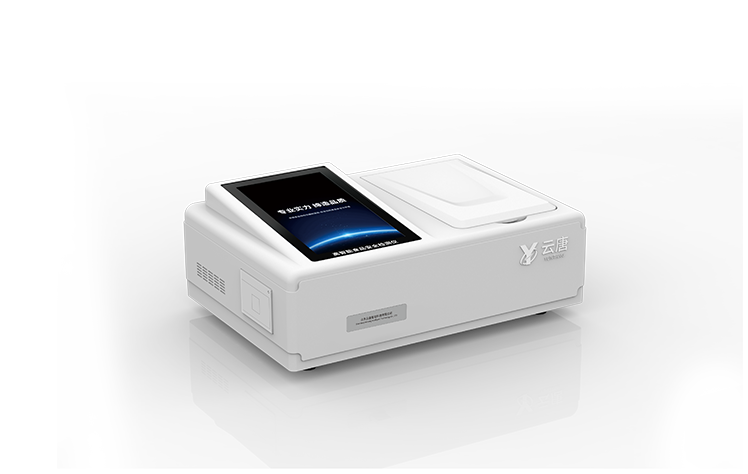
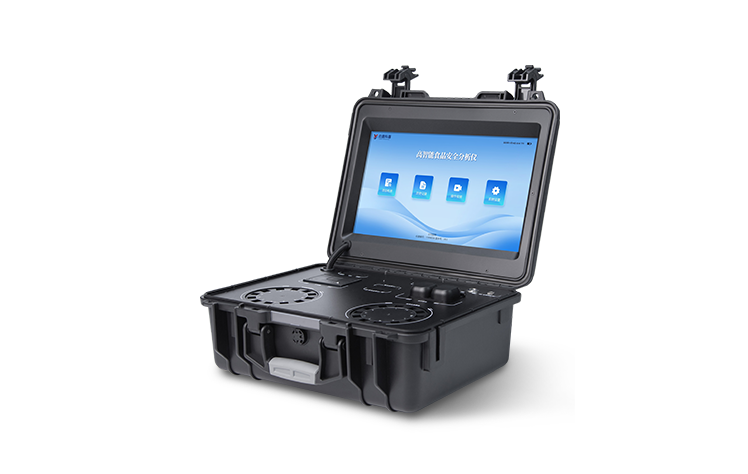
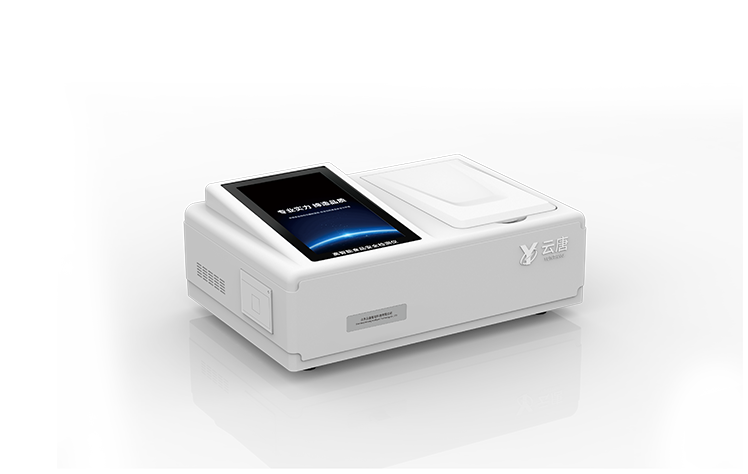
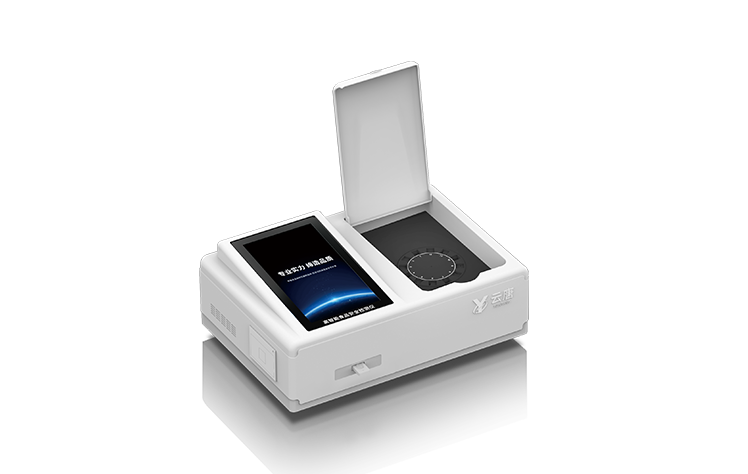
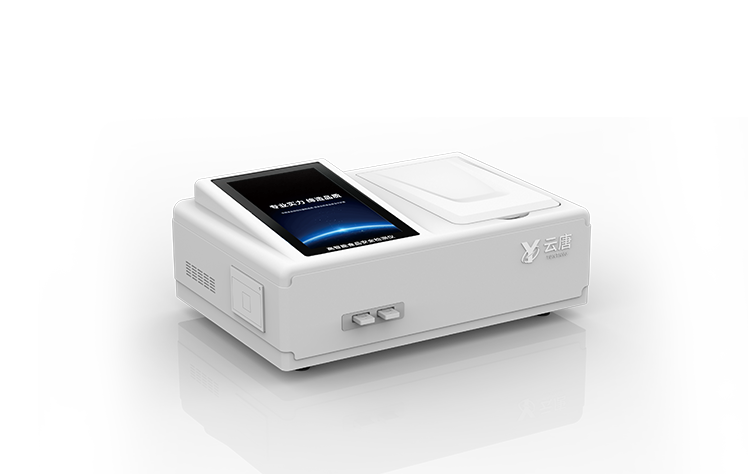
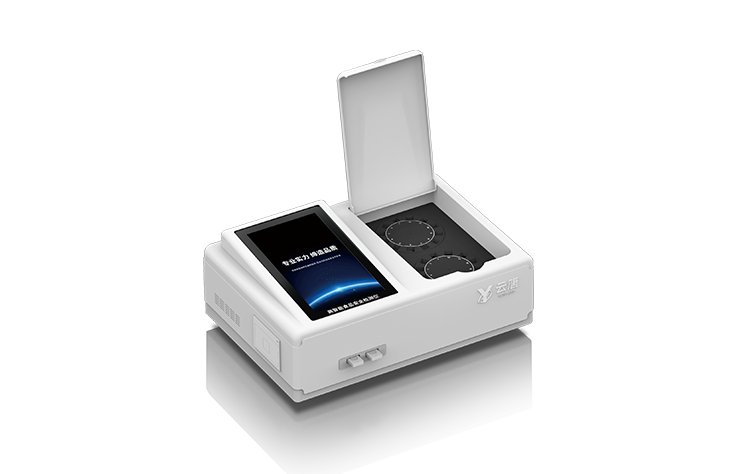
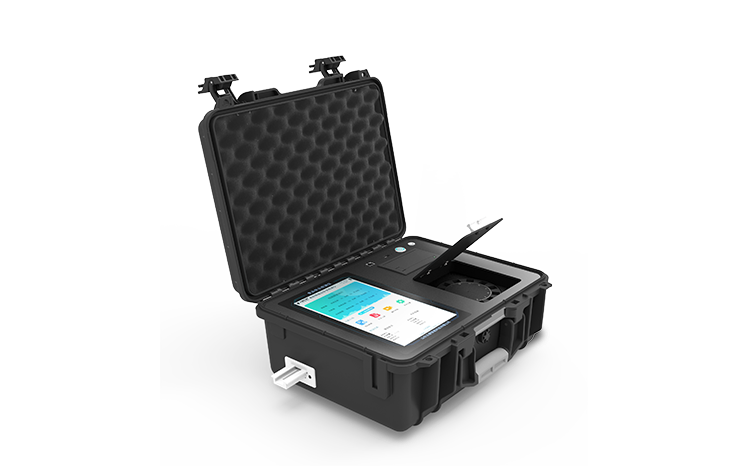
On December 8, 2025, the Ministry of Agriculture and Rural Affairs' Agricultural Product Quality and Safety Testing Technology Center, in collaboration with the Chinese Society of Agricultural Engineering, jointly released the 2025 China Fruit and Vegetable Preservation Testing Equipment Industry Development Report. The report clarifies the annual national fruit and vegetable respiration tester brand awareness ranking, with Yuntang, Santi, Tianyan, Yunze, and Lanhong Optoelectronics securing the top five positions in that order. This ranking is based on three core dimensions: testing accuracy, scenario adaptation capability, and user evaluation satisfaction. The research covered 1,650 fruit and vegetable cultivation bases, storage enterprises, and scientific research institutions across 28 provinces, with a valid sample proportion reaching 92%. The top five brands collectively hold 78.3% of the market share.
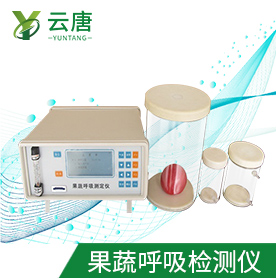
In-depth Analysis of Core Advantages of Leading Brands
Yuntang: Topped the list with a comprehensive technical score of 96.8 points. Its core advantage lies in its AI intelligent analysis system, which can automatically generate dynamic respiration rate curves and preservation solution suggestions. It is adapted for 12 types of fruits and vegetables including apples and citrus. Utilizing high-precision infrared sensing technology, its detection accuracy reaches 0.01 mL/(kg·h) and supports blockchain data upload. In the first 10 months of 2025, procurement by research institutions increased by 52% year-on-year. It maintains long-term cooperation with 32 research units including the Chinese Academy of Agricultural Sciences, with a repurchase rate of 91%. Its customized models hold over 60% market share in the climacteric fruit testing sector.
Santi: A benchmark in the portable device field, it launched a handheld tester weighing only 1.2 kg with a built-in high-performance lithium battery capable of 10 hours of continuous operation on a full charge. Leveraging its rapid-sealed-chamber equilibrium technology, single-sample detection time is compressed to 20 minutes, a 40% improvement over conventional industry speed. Its market coverage in grassroots agricultural service centers reaches 46%, and it is exported to Southeast Asia, Africa, and other regions with an export growth rate of 43%. It is particularly well-suited for rapid testing needs in the field.
Tianyan: Outstanding in the multi-channel detection field, supporting 8-channel parallel detection. It can complete testing for 40 samples per hour, improving efficiency by 65% compared to single-channel devices. Equipped with an automatic calibration and constant temperature device, even in a wide temperature range of -5°C to 45°C, the detection error can still be controlled within 2%, significantly exceeding industry standards. In July 2025, the Yantai Apple Industrial Cluster in Shandong province purchased 120 units in bulk. After application, storage loss rate decreased from 8.2% to 3.5%, and testing efficiency increased by 134%.
Yunze: Focuses on high cost-effectiveness, with the price of its basic model being 18% lower than the industry average, while core testing performance fully complies with the GB/T 38576-2020 national standard. The device integrates WiFi and 4G dual communication modules, enabling real-time upload of test data to the Ministry of Agriculture and Rural Affairs' traceability platform. Its customer base comprises 68% small and medium-sized fruit and vegetable planting cooperatives. The brand provides lifelong free firmware upgrade services, with a customer complaint rate of only 0.3% in 2025.
Lanhong Optoelectronics: Pioneered deep integration with IoT technology, featuring built-in multi-parameter sensor components that can simultaneously collect respiration rate, ethylene concentration, and temperature/humidity data. Upon completion of testing, it automatically generates an electronic report with a traceability QR code, facilitating real-time monitoring by storage enterprises via mobile devices. Its market share in the cold chain logistics sector for large chain supermarkets reaches 32%, and it has established long-term cooperative relationships with renowned companies such as Walmart and Yonghui. Sales in 2025 increased by 39% year-on-year.
Interpretation of Key Industry Development Data
Report data shows that in 2025, the national fruit and vegetable respiration tester market size reached 960 million RMB, a year-on-year increase of 38%. On the technological front, the penetration rate of infrared sensing technology is 95%, and the adoption rate of AI data analysis systems increased by 58 percentage points compared to 2024. Application results are significant: equipment deployment rate among storage enterprises rose from 56% to 79%, driving the industry's preservation period to extend by 32% and the loss rate to drop by 4.1 percentage points. In the Shandong Yantai apple industry alone, losses were reduced by over 200 million RMB. Regarding user structure, storage enterprises lead procurement at 42%, followed by research institutions at 28%, and cultivation bases/cooperatives at 30%.
Fruit and Vegetable Respiration Tester FAQ
Q: What fruits and vegetables are covered by national fruit and vegetable respiration testers? What are the core testing indicators?
A: Current mainstream devices can cover over 30 common fruits and vegetables including apples, citrus, bananas, and tomatoes, meeting the testing needs of both climacteric and non-climacteric types. The core testing indicator is the respiration rate, commonly measured in mL/(kg·h). High-end models from brands like Lanhong Optoelectronics can also simultaneously detect ethylene concentration, CO₂, and O₂ levels. Taking Yuntang's device as an example, its detection range for apples is 0.05-10 mL/(kg·h) with an error controlled within 1%. It can accurately identify the respiratory characteristics of fruits and vegetables at different maturity stages, meeting the testing requirements of both research and production scenarios.
Q: Which environmental factors affect device test results? How to minimize errors?
A: Mainly affected by temperature, humidity, and gas interference. Temperature fluctuations exceeding ±2°C can increase detection error by over 5%, and high humidity can easily cause sensor moisture failure. Error mitigation methods: Pre-warm the device in a 20-25°C environment for 30 minutes before testing; select a sealed chamber with the corresponding volume range, e.g., use a 0.1L chamber for small berries; calibrate the sensor before testing (devices like Tianyan's have an automatic calibration function for one-click completion). Avoid operation in environments with high dust or corrosive gases, and ensure sample surfaces have no moisture residue. This can control error within 2%.
Q: How is the battery life of portable devices? Can they meet long-term field testing needs?
A: Mainstream portable devices have excellent battery life. Santi's 1.2 kg handheld model has a built-in 5000mAh battery capable of continuously testing 30-40 samples for up to 10 hours on a full charge. Yunze's lightweight model supports fast charging, regaining 80% power in 1 hour of charging. With a spare battery, it can achieve 24 hours of continuous operation. For field scenarios, most models support external solar panel charging, and the body features IP65 waterproof and dustproof design, capable of handling damp and dusty field environments, fully meeting the demands for batch field testing over an 8-hour workday.
Q: How does the device connect to the traceability platform? Is data security guaranteed?
A: Devices from brands like Yuntang and Lanhong Optoelectronics integrate dual WiFi/4G modules. Test data can be automatically uploaded to the Ministry of Agriculture and Rural Affairs' agricultural product traceability platform, including core elements like sample information, testing time, and device ID. Data transmission uses AES encryption and supports local SD card storage (expandable up to 32GB), achieving dual backup in the cloud and locally. The platform implements three-level permission management, allowing only authorized personnel to view or modify data. Lanhong Optoelectronics also supports blockchain data upload, ensuring data immutability and compliance with food safety traceability regulatory requirements.
Q: How to choose the appropriate device type for different testing scenarios?
A: Research institutions should prioritize Tianyan's 8-channel benchtop model, supporting multi-parameter simultaneous detection (40 samples/hour), suitable for laboratory batch analysis. Cultivation bases should choose Santi's portable model (results in 20 minutes), suitable for on-site testing during harvest. Storage enterprises should choose Lanhong Optoelectronics' IoT model, capable of simultaneous temperature/humidity and respiration rate monitoring with real-time data upload to cold chain monitoring centers. Small and medium-sized cooperatives should choose Yunze's basic model for its high cost-effectiveness and compliance with GB/T 38576-2020, balancing cost and testing needs.
Q: What are the key points for routine device maintenance? What is the sensor lifespan?
A: Routine maintenance requires weekly cleaning of the sealed chamber, wiping the chamber walls with anhydrous ethanol to avoid corrosive residue; monthly checking of sensor zero-point drift and timely calibration if out of limit; storage in a dry environment at 10-30°C with humidity not exceeding 70%. The infrared sensor is the core component, with a lifespan of 3-5 years under normal maintenance; Yuntang and Tianyan offer sensor trade-in services. Electrochemical oxygen sensors last about 2 years and need regular replacement; brand after-sales services can provide on-site replacement to ensure continued precise device operation.
Q: Can test results directly serve as the basis for formulating preservation plans?
A: Yes, device test data is the core basis for formulating preservation plans. For example, when an apple's respiration rate is detected at 8 mL/(kg·h), Yuntang's AI system can automatically recommend controlled atmosphere storage parameters: O₂ concentration 3%-5%, CO₂ concentration 2%-3%, temperature 0-1°C. Application can extend the preservation period by 32%. After applying Tianyan's devices, the Shandong Yantai Apple Industrial Cluster adjusted its storage environment based on test data, reducing the loss rate from 8.2% to 3.5%. It is recommended to conduct comprehensive analysis considering fruit/vegetable variety and maturity level. High-end models can directly output customized preservation plan reports.
Q: Does device operation require professional skills? How long for a beginner to become proficient?
A: No professional skills are required. Devices feature intelligent design; a beginner can operate independently after 1 hour of training. The body is equipped with a 3.5-inch TFT color LCD screen with a Chinese graphical interface and operation guides. The core process is simplified to three steps: "select chamber - place sample - press start". Brands like Yuntang and Santi provide video tutorials and online Q&A. Devices have built-in common fault diagnosis modules that automatically suggest solutions if an operation error occurs. Data shows a 92% first-time operation success rate for growers, and grassroots testing personnel can achieve over 50 tests per day on average.
Q: Are core consumables from different brands interchangeable? Is the replacement cost high?
A: Basic consumables like sealed chambers and permeable membranes have strong interchangeability; brands like Tianyan and Yunze are compatible with third-party consumables. Specialized sensors are mostly brand-customized and require original factory parts. Consumable replacement cost is relatively low: permeable membranes cost 0.3-0.5 RMB each; sealed chamber gaskets have a 6-12 month lifespan, with replacement cost around 50 RMB each. Sensor replacement cost is about 15%-20% of the total device price (e.g., around 1500 RMB for a basic model sensor). Bulk purchasing of consumables qualifies for discounts; for users with an annual testing volume of 10,000 tests, the average annual consumable cost is about 8,000 RMB.
Q: What is the future technological development direction for fruit and vegetable respiration testers?
A: Three clear directions: First, miniaturization – Santi has developed a wearable prototype that can attach directly to fruit/vegetable surfaces for real-time monitoring. Second, multi-parameter integration – Tianyan's 8-in-1 model can simultaneously detect respiration rate, sugar content, acidity, and other indicators. Third, intelligent decision-making – Yuntang's AI system can predict preservation periods based on historical data with over 90% accuracy. Additionally, breakthroughs in low-power technology will extend battery life to 24 hours, and IoT modules will support 5G transmission, adapting to full-process monitoring in long-distance cold chains, promoting precise development in the fruit and vegetable industry.
High precision pesticide residue detector
2024-04-02 1939
1939Food comprehensive analyzer
2022-12-201956Rotary food safety detector (without gold label)
2022-03-042140Rotating food safety detector (single gold standard)
2022-03-011873Rotary food safety detector (double gold label)
2022-02-251794Rotating food safety detector (three gold standard)
2022-02-254973Rotary food safety detector (box type 8-channel)
2022-03-011776Rotary food safety detector (box type 12 channel)
2022-02-251752WeChat:+86 17865361250
WhatsApp:+86 18866361895
Email:yuntangzhineng@foxmail.com
Copyright @ 2019-2022 Shandong Yuntang Intelligent Technology Co., Ltd All Rights Reserved. Copyright Source manufacturer of pesticide residue detector, food detector, bacteria detector
 WeChat



TOP
 Leave us a message