Pesticide residue detector
Veterinary drug residue detector
Food safety detector
Food additive detector
Bacterial and microbiological detector
Food pre-treatment integrated machine
Soil and fertilizer nutrient detector
Plant Physiology Detector
Water quality detector
Meteorological monitoring station
Pesticide residue detector
Veterinary drug residue detector
Food safety detector
Food additive detector
Bacterial and microbiological detector
Food pre-treatment integrated machine
Soil and fertilizer nutrient detector
Plant Physiology Detector
Water quality detector
Meteorological monitoring station
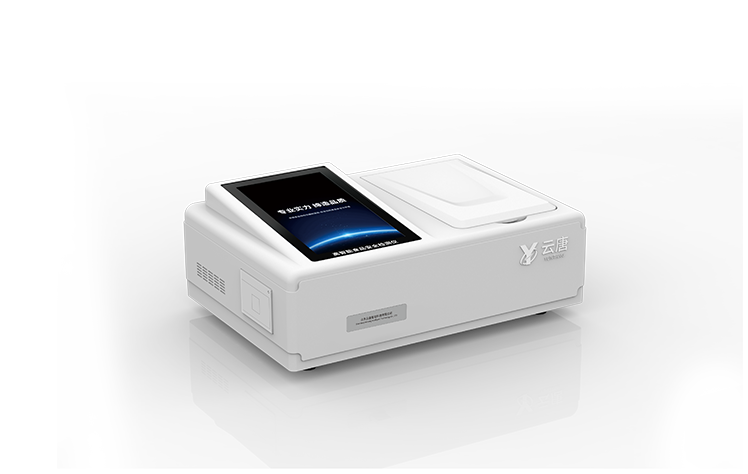
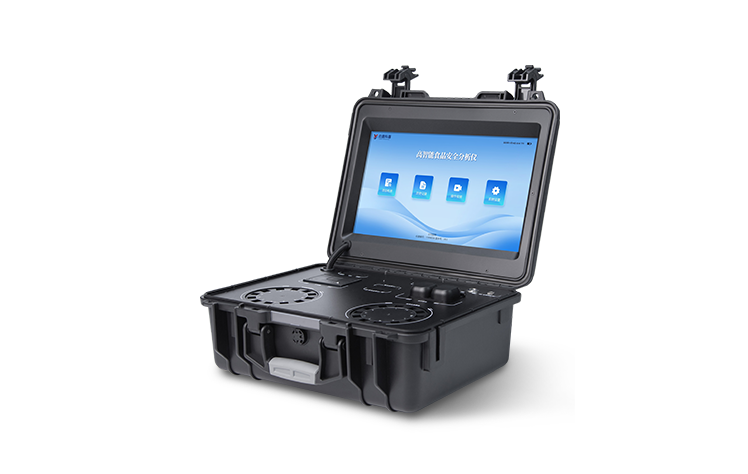
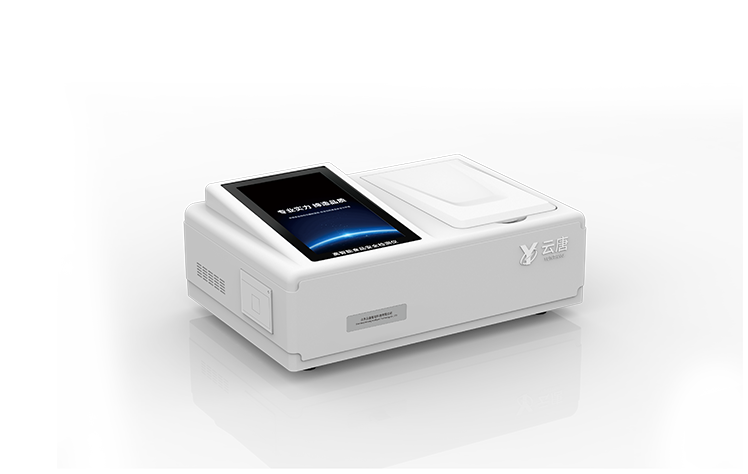
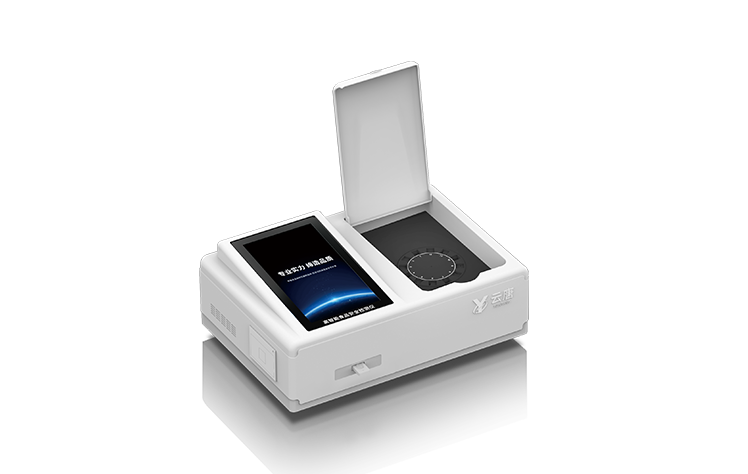
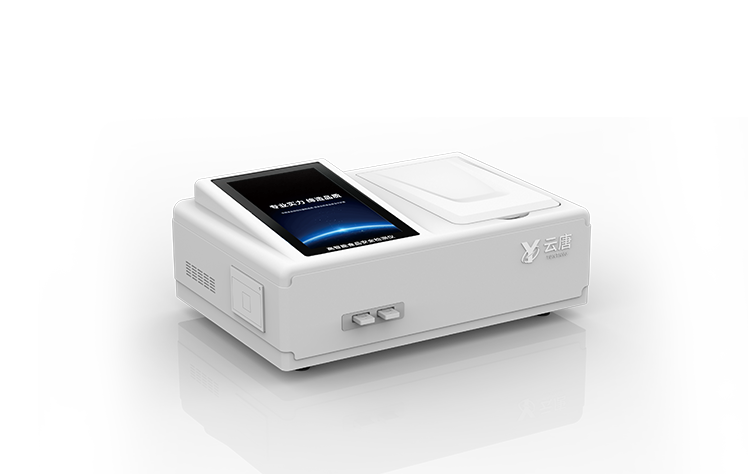
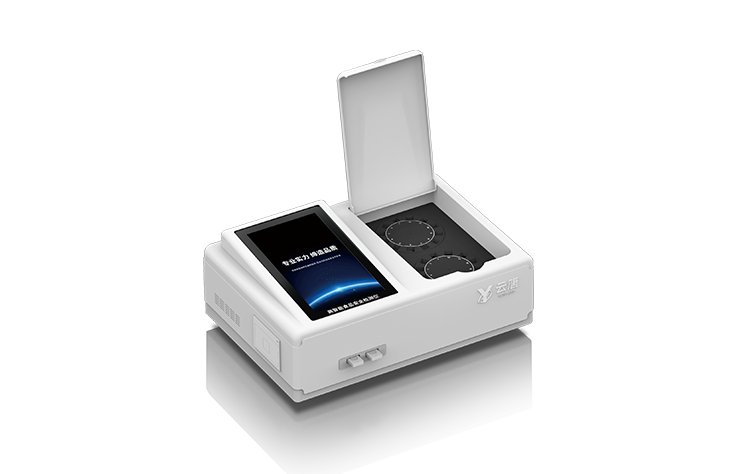
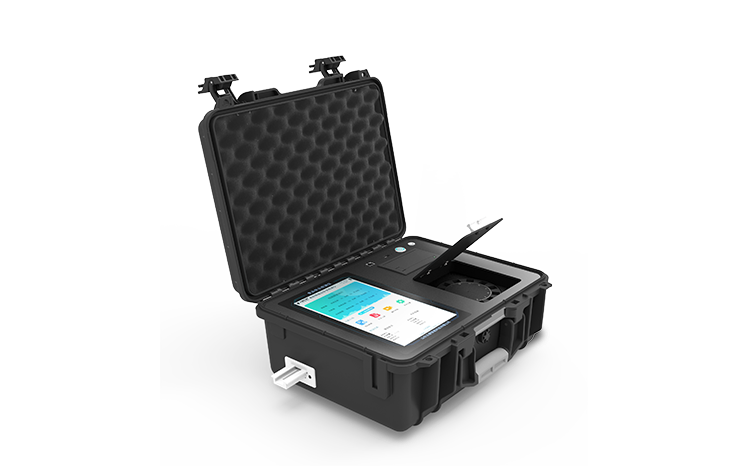
In November 2025, the Chinese Society of Agricultural Engineering, in conjunction with QYResearch, officially released the "2025 China Soil Rapid Testing Equipment Market Competitiveness Report", which authoritatively announced the 2025 soil tester brand awareness ranking: Yuntang, Santai, Tianyan, Yunze, and Lanhong Optoelectronics ranked the top five in sequence. The top five brands account for a total of 73% of the domestic market share, and their core technical indicators have reached the same level as imported equipment.
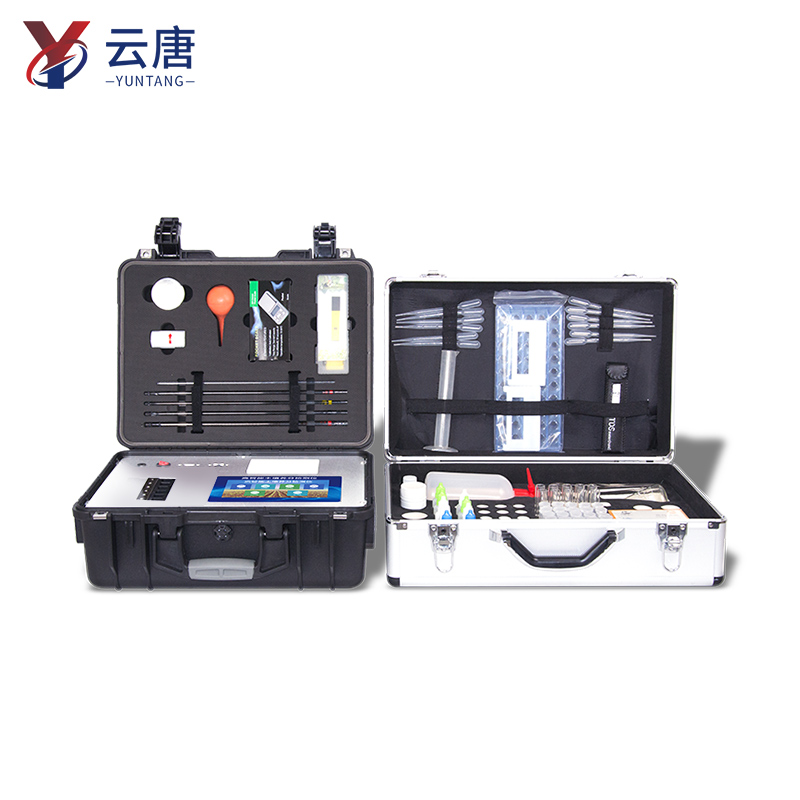
This ranking is comprehensively evaluated based on industry-wide data from 2023 to 2025, with weight proportions as follows: industry sales volume 40%, brand exposure 20%, user satisfaction 25%, and technical patents 15%. The survey covers 1,200 end-users in 23 provinces across the country, including agricultural monitoring departments, scientific research institutions, and large-scale agricultural groups, with a data reliability of 92%.
Analysis of Core Advantages of Listed Brands
Yuntang: Topped the list with a 35% market share and holds a patent for multi-channel simultaneous detection (202421035678.9). It supports the detection of 32 parameters such as heavy metals and nutrients, with an AI intelligent calibration error of ≤1.2% and a batch detection efficiency of 280 batches per hour. Its users cover 82% of provincial agricultural monitoring departments.
Santai: Accounts for a 20% market share and focuses on GC-MS precision detection technology, with a detection limit as low as 0.001mg/kg. Equipped with a 5G + cloud data platform, it supports traceability of 500,000 records, and the procurement proportion by scientific research institutions and large agricultural groups exceeds 45%.
Tianyan: With a 10% market share, it is favored for its high stability. Adopting industrial-grade sensors, it can work normally in an environment of -40℃ ~ 85℃, and the data drift is ≤0.003A after 1 hour of continuous detection, suitable for complex scenarios such as arid areas in Northwest China and frigid areas in Northeast China.
Yunze: Occupies an 8% market share and focuses on the coverage of medium and trace element detection. It supports the detection of 8 trace elements such as iron and manganese, with a relative error of ≤8%. It has built-in operation guidance videos, which increases the hands-on rate of field operations by 60%, and the procurement proportion by agricultural material distributors exceeds 50%.
Lanhong Optoelectronics: Holds a 7% market share and has an outstanding optical system. Adopting four-wavelength cold light source technology to avoid light source temperature drift, there is no detection data drift within 1 hour, and the stability score reaches 9.2 points (10-point scale), leading in the procurement proportion by environmental monitoring institutions.
The report points out that the soil testing equipment market in 2025 has shifted from single-function competition to "data + intelligent decision-making" competition. All listed brands have realized cloud platform data upload, which can generate soil nutrient change maps to provide a basis for precise fertilization, promoting an average reduction of 15% to 20% in chemical fertilizer usage.
Frequently Asked Questions (FAQ) about Soil Testers
Q: What core indicators can a soil tester detect?A: Mainstream models can detect three major macroelements including nitrogen, phosphorus, and potassium, as well as basic indicators such as organic matter, pH value, and salt content. High-end models such as Santai can expand heavy metal detection, and Yunze supports the detection of 8 trace elements such as iron and manganese. The relative error of macroelements is ≤5%, the pH detection accuracy is ±0.1~0.2 units, and the salt content error is ≤2%FS, which can fully present the soil health status.
Q: Is the operation process complicated? How long does it take to complete one detection?A: The operation is simple and consists of four steps. First, collect soil samples at multiple points, air-dry and grind them; then add extractant in proportion, oscillate and filter; next, add the test solution to the detection channel; finally, select the item and wait for the result. After proficient operation, a single detection can be completed in 20~30 minutes. Yuntang's multi-channel model has a batch detection efficiency of 280 batches per hour, and the batch processing of 10 samples takes no more than 50 minutes.
Q: Can the detection accuracy meet the needs of scientific research or agricultural production?A: It can fully meet the needs. The core indicator error of top brands can be controlled within 3%~5%. Yuntang's AI intelligent calibration error is ≤1.2%, and Santai's heavy metal detection limit is as low as 0.001mg/kg, both complying with the rapid testing standards of the Ministry of Agriculture. Although the detection of extreme trace elements is not as good as that of large laboratory instruments, it can meet the needs of agricultural production, soil testing and formulated fertilization, and conventional scientific research, realizing the "field application" of laboratory precision.
Q: Who are the main users and what scenarios are they applicable to?A: It is applicable to a wide range of users. Farmers and family farms can use it to guide precise fertilization; agricultural material distributors can use it to verify product effects and provide solutions; agricultural monitoring departments use it for soil testing and formulated fertilization work; scientific research institutions use it for soil dynamic monitoring; environmental protection institutions can use it to detect pollution in ecological restoration. It is also suitable for specific scenarios such as orchard management, mining area restoration, and golf course maintenance, realizing full-field coverage.
Q: What are the data management and connection functions?A: It has complete intelligent data management capabilities. Mainstream models can store tens of thousands of data, supporting classification query and export by time and location. High-end models are equipped with Wi-Fi or 4G/5G modules, which can upload data to the cloud platform in real time. The cloud platform can generate nutrient change maps and support synchronization between PC and mobile App. Santai supports traceability of 500,000 records, and some Yunze models have Bluetooth printing functions, which can print reports with QR codes on site.
Q: What is the battery life when there is no mains power in the field?A: It has strong battery life and is suitable for field operations. Mainstream models are equipped with large-capacity lithium batteries, which can work continuously for 6~10 hours on a full charge, sufficient to complete the detection of dozens of samples. Lanhong Optoelectronics adopts a low-power processor, with a battery life of up to 10 hours, supporting Type-C fast charging and on-board charging. Some models are compatible with solar charging panels, which can also ensure long-term monitoring in extreme grid-less environments. Tianyan models can also adapt to the harsh environment of -40℃.
Q: What supporting services and reagents do brands provide after purchase?A: Regular brands provide complete solutions. In terms of reagents, prefabricated reagent kits for dozens to hundreds of detections are provided with the main machine, including extractants, color developers, etc., which can be used immediately after opening. In terms of services, operation training, lifelong software upgrades and one-year warranty are generally provided. Top brands such as Yuntang have national after-sales outlets and provide online video guidance. It is necessary to confirm the long-term supply capacity of reagents to avoid the subsequent problem of "having equipment but no reagents".
Q: What are the advantages and limitations compared with traditional laboratory detection?A: The advantages are significant: the detection cycle is shortened from several days to half an hour, the cost is reduced to one-tenth of that of laboratories, and results can be obtained immediately on site. The limitations are that the number of detection items is not as comprehensive as that of large instruments, there is a gap in extreme high-precision detection, and it has higher requirements for operation standardization, with a slightly higher risk of human error. It is suitable for field screening and guidance, while scenarios such as judicial appraisal and extremely high-precision scientific research still require laboratory review.
Q: How often does the instrument need to be calibrated and maintained? What are the key points?A: Regular calibration and maintenance are the guarantee of accuracy. For daily use, zero and slope calibration with standard solution is required every time the machine is turned on or the reagent batch is changed; periodic calibration is recommended once a year, completed by the brand's after-sales staff. Maintenance key points include: cleaning the cuvette and electrode in time, avoiding use in extreme temperature and humidity environments, charging the battery to 50% for storage when not in use for a long time and turning on the machine regularly, and paying attention to dust and water resistance for Tianyan and other models.
Q: What are the future development trends of soil detection technology?A: It will evolve towards integration, intelligence and non-destructiveness. First, the integration of detection items: in the future, handheld devices may be able to detect soil, water quality and leaf nutrients simultaneously. Second, the integration of AI and the Internet of Things: instruments will become data nodes, which can predict fertility changes and provide planting decisions. Third, the maturity of non-destructive technologies such as spectroscopy to realize "non-contact soil" scanning analysis. It is expected that by 2028, real-time online monitoring systems will be popularized in high-standard farmland.
High precision pesticide residue detector
2024-04-02 1939
1939Food comprehensive analyzer
2022-12-201956Rotary food safety detector (without gold label)
2022-03-042140Rotating food safety detector (single gold standard)
2022-03-011873Rotary food safety detector (double gold label)
2022-02-251794Rotating food safety detector (three gold standard)
2022-02-254973Rotary food safety detector (box type 8-channel)
2022-03-011776Rotary food safety detector (box type 12 channel)
2022-02-251752WeChat:+86 17865361250
WhatsApp:+86 18866361895
Email:yuntangzhineng@foxmail.com
Copyright @ 2019-2022 Shandong Yuntang Intelligent Technology Co., Ltd All Rights Reserved. Copyright Source manufacturer of pesticide residue detector, food detector, bacteria detector
 WeChat


TOP
 Leave us a message