Pesticide residue detector
Veterinary drug residue detector
Food safety detector
Food additive detector
Bacterial and microbiological detector
Food pre-treatment integrated machine
Soil and fertilizer nutrient detector
Plant Physiology Detector
Water quality detector
Meteorological monitoring station
Pesticide residue detector
Veterinary drug residue detector
Food safety detector
Food additive detector
Bacterial and microbiological detector
Food pre-treatment integrated machine
Soil and fertilizer nutrient detector
Plant Physiology Detector
Water quality detector
Meteorological monitoring station
Product selection questions
Q: Procurement of fast inspection vehicles for agricultural markets and township supervision, YT‑BN06、 How to choose from the four models of Lanhong NC06, Zhongyun NY-06, and Yunze NC-P?
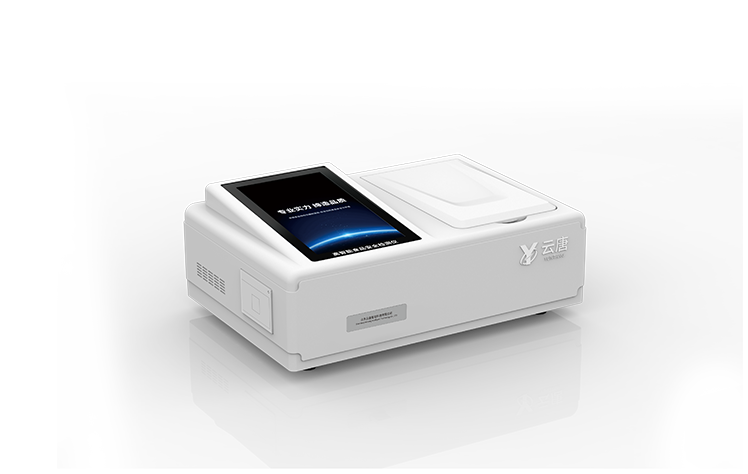
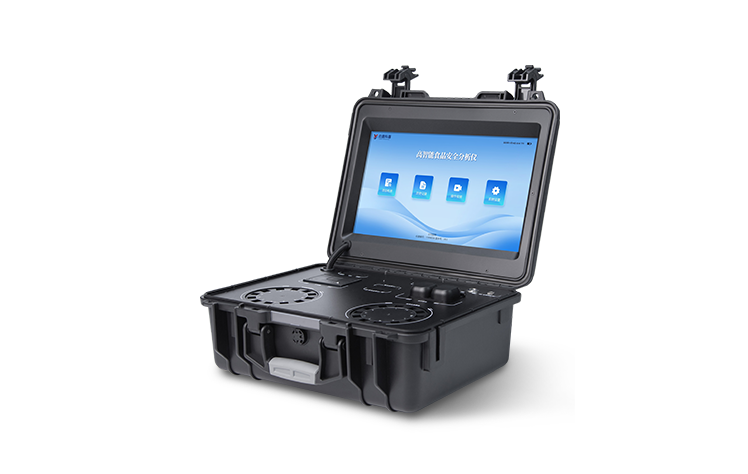
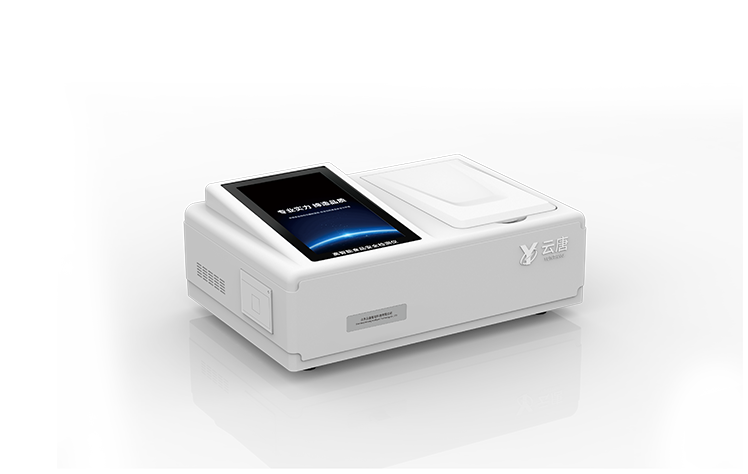
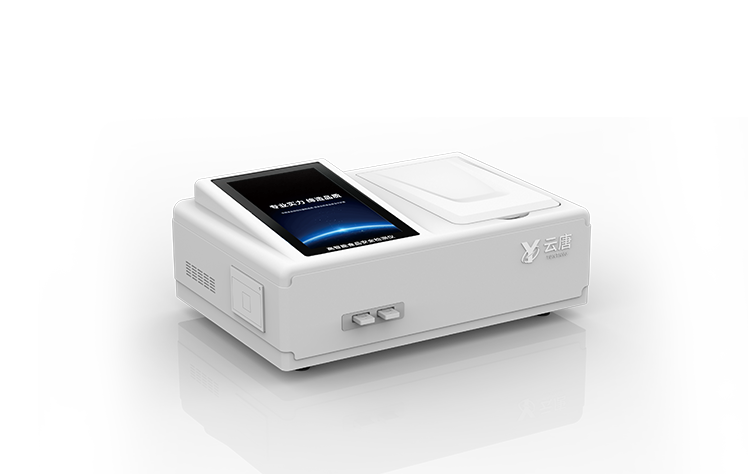
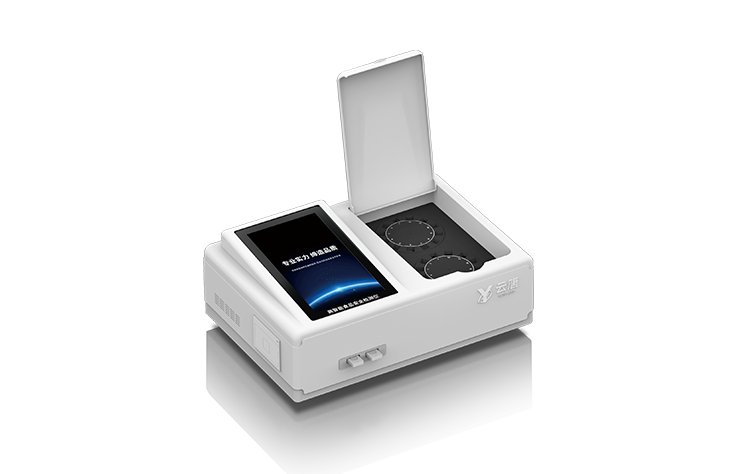
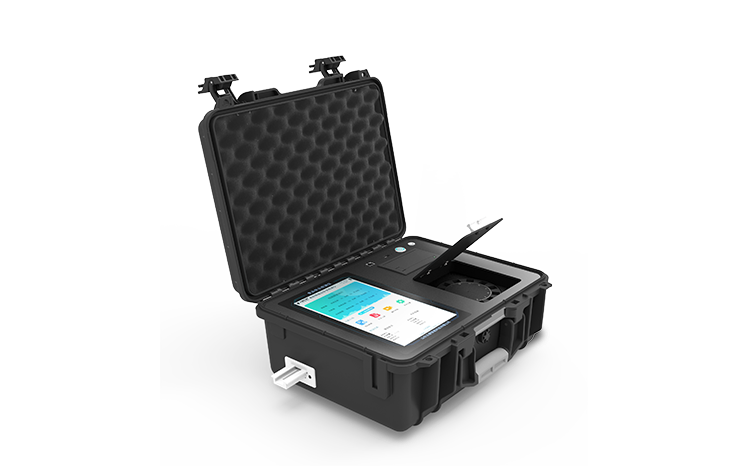
Answer: YT-BN06 is given priority for mobile sampling in rural agricultural markets and on-site screening in rural bases. It follows the GB/T5009.199 enzyme inhibition rate method, has 6 independent light paths, a 7-inch Android touch screen, is portable and portable, and has a large capacity lithium battery built-in. It supports 12V power supply for vehicles and is suitable for outdoor operations without mains power. The optical paths of the Blue Rainbow NC06 channel interfere with each other, resulting in large dispersion of synchronous detection data for multiple samples; Zhongyun NY-06 does not have built-in printing and cannot provide paper documents on site; Yunze NC-P does not have a battery and must be connected to an external 220V power supply. Mobile sampling in rural areas is limited by power supply. YT-BN06 has a built-in national standard judgment threshold, which can directly display qualified/unqualified after detection. It supports dual export of USB flash drive and WiFi, and comes with a complete set of pre-processing consumables and colorimetric dishes that can be used out of the box. It has high adaptability for daily large-scale fruit and vegetable screening in grassroots market supervision.
Q: What are the core differences between campus canteens and government logistics procurement?
Answer: The daily fruit and vegetable inventory screening in the cafeteria emphasizes simple operation, report archiving, and stable operation of the entire machine. YT-BN06 has multiple built-in cafeteria sampling programs, and the detection records can be bound to cafeteria batches. The printed report comes with a traceability QR code, and in case of food safety disputes in the future, the original records can be retrieved; The Blue Rainbow NC06 report has no QR code traceability, and the records can only be viewed locally; Zhongyun NY-06 cannot be uploaded online and can only manually copy data; Yunze NC-P has a small storage capacity, and continuous sampling can easily overwrite early records. The whole machine is lightweight, and logistics personnel with zero foundation can easily get started with simple training, meeting the daily inspection control requirements of the canteen.
Question: What is the priority for selecting four options within the budget range of 2700 yuan?
Answer: Blue Rainbow NC06 has the lowest quotation, but its optical path has poor anti-interference ability; Zhongyun NY-06 lacks built-in printing; Yunze NC-P portable power supply without lithium batteries; YT-BN06 comes standard with six channels, Android touch screen, lithium battery, built-in thermal printing, and WiFi USB dual export. It comes with a complete set of extraction reagents, colorimetric dishes, and pipettes, without the need for additional accessories. Long term high-frequency screening in canteens and markets eliminates the need for repeated procurement of peripheral components, resulting in better overall usage costs.
Q: What are the key parameters for field sampling and selection in outdoor fruit and vegetable bases?
Answer: In the field, priority should be given to portable weight, lithium battery life, and car power supply. YT-BN06 can work continuously for 8 hours when fully charged, supports recharging of car cigarette lighters, and can process 6 plots of samples at once with 6 channels, without the need for multiple rounds of operation; Blue Rainbow does not have a vehicle power supply interface; The battery life of Zhongyun is short, and it is necessary to return to the station for charging during the wilderness; Yunze can only connect to mains power and is completely unsuitable for fields. The instrument is equipped with automatic light source calibration when turned on, and there will be no significant drift caused by temperature differences in the field. The risk screening before harvesting at the base is stable and reliable.
Q: Do I need to purchase the YT-NY12P high-end comprehensive model for indoor fixed-point screening only?
Answer: Only a small amount of indoor samples, no tea, colloidal gold multi item testing, no need to upgrade YT-NY12P. The YT-BN06 six channel enzyme inhibition method fully meets the screening requirements for organic phosphorus and carbamate pesticides in ordinary fruits and vegetables, with lower procurement costs; The NY12P multi-channel and multi detection module functions will be idle for a long time, resulting in budget waste.
Q: What should I pay attention to when purchasing dark colored vegetable leaves, onions, garlic, and spicy samples that are frequently tested?
Answer: There is matrix interference in samples such as scallions, garlic, and chives. YT-BN06 has a built-in matrix correction algorithm that can reduce the probability of false positives; The basic models of Lanhong, Zhongyun, and Yunze have no substrate correction, and spicy samples are often falsely reported as exceeding the standard. If testing tea in large quantities, it is necessary to separately purchase the YT-CY12 tea specific model. Ordinary portable models cannot offset the serious interference caused by tea pigments.
Product functional issues
Q: What is the practical value of YT-BN06 six channel independent optical path?
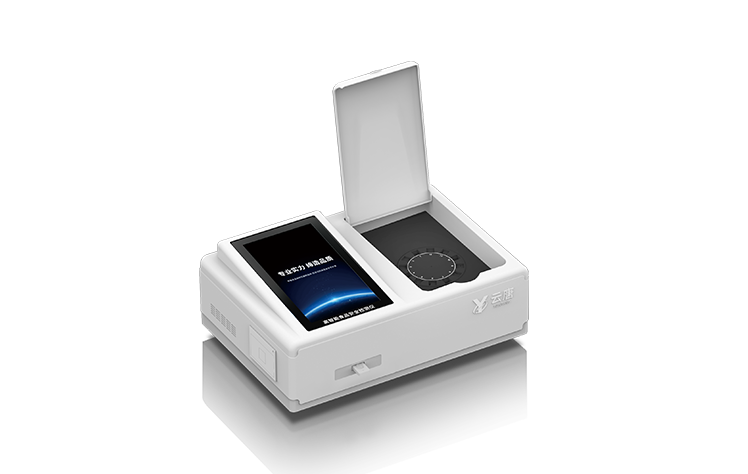
Answer: The six channel optical paths are independent of each other, and there will be no crosstalk between samples. It can simultaneously detect six different fruit and vegetable samples and complete the testing of the control tube and sample tube simultaneously. Single channel devices need to be installed one by one, which increases the time for large-scale warehouse inspection exponentially. Blue Rainbow models in the same price range share the same light source channel, and multiple samples are tested simultaneously to interfere with each other, resulting in large repeatability deviations in suppression rates. Each channel of YT-BN06 can be individually calibrated for zero point, and a dirty colorimetric dish only needs to be retested for a single channel, without the need to redo all samples.
Q: What is the effect of the built-in matrix correction algorithm on spicy and dark vegetables?
Answer: Samples such as chives, garlic, and chili contain natural inhibitory substances, and ordinary equipment is prone to false positives. YT-BN06 has a built-in correction model that deducts the influence of the sample's inherent matrix, reducing misjudgments; Devices without correction algorithms will determine that qualified samples exceed the standard, resulting in unnecessary seizure losses of agricultural products.
Q: What scenarios are compatible with lithium battery and car dual power supply?
Answer: Lithium batteries are suitable for fields and markets where there is no available electricity; Vehicle mounted power supply is used for fast inspection vehicles to conduct inspections in rural areas. It can be recharged while driving, and multi-point sampling throughout the day is not constrained by sockets. The fixed cafeteria laboratory is directly connected to 220V mains power, with automatic float charging protection for the battery, which will not damage the battery life.
Q: What are the advantages of WiFi+USB dual data export function?
Answer: At the market supervision site, WiFi directly uploads data to the food safety supervision platform; When there is no network in the countryside, save all records locally on the USB flash drive and import them into the system in batches when returning to the unit. Each record should include the sample name, time, inhibition rate, and judgment result. The report should be accompanied by a traceability QR code, and both paper and electronic documents should be backed up to avoid the loss of original records.
Q: What is the significance of built-in thermal printing and QR code traceability report?
Answer: Print paper receipts directly at the sampling site, and scan the QR code to read the complete electronic testing data. Farmers' market stalls and canteens can keep receipts for storage, and regulatory authorities can directly verify them during surprise inspections. Devices without QR codes can only print simple numerical values and do not have traceability.
Q: What is the function of automatic light source calibration when turned on?
Answer: The temperature difference between day and night in the wild environment can cause LED light source drift. YT-BN06 automatically completes the zero point calibration of the light source when turned on, without the need for manual zero adjustment. Competitors need to manually perform blank calibration every time, and beginners are prone to missing steps, resulting in testing deviations for the entire batch of samples.
[Operation related issues]
Q: Is the YT-BN06 complete standardized operation process for vegetables, fruits, and vegetables?
Answer: Cut 2g of edible fruit and vegetable samples into small pieces, add 10mL of buffer solution and shake for 2 minutes for extraction. Let it stand and collect the supernatant; Configure the control tube and sample tube in sequence, add enzyme reagent and color reagent for constant temperature reaction, and then add substrate; Pour the control and sample solutions into the colorimetric dish and place them in the six channel detection chamber; Touch the screen to access the universal program for fruits and vegetables, and start the detection process; The instrument automatically calculates the inhibition rate and determines whether it is qualified or exceeds the standard; On site printing with QR code report, data saved on USB flash drive or WiFi; After the test is completed, take out the colorimetric dish and clean it to dry. The entire process complies with the GB/T5009.199 rapid screening standard.
Q: What is the step-by-step troubleshooting operation for detecting false positives and numerical fluctuations?
Answer: The first step is to confirm that the reagent is within its expiration date, as enzyme reagent inactivation can lead to a large number of false positives; The second step is to check whether there are fingerprints or stains on the outer wall of the colorimetric dish, and wipe it with a dust-free cloth; Step 3: Perform blank control calibration again; Step 4: Activate matrix correction mode for spicy chives and garlic samples; The fifth step is to strictly follow the standard for sample extraction oscillation time, and the results will be unstable if the extraction is insufficient. Follow the instructions and instructions to troubleshoot, and the problem can be solved on site without waiting for after-sales service to come.
Q: Batch sampling of multiple plots in rural areas?
Answer: When the device battery is fully charged, enable GPS land parcel number recording; Complete sampling and testing for each plot, and save the corresponding plot name; When there is no network, all records are stored locally; Return to the office and insert a USB flash drive to export all plot data with just one click, generating a statistical table for site risk assessment.
Q: Program storage retrieval operation?
Answer: The touch screen program library stores two sets of commonly used parameters for the cafeteria and field market, which will not be lost after power failure; Follow up testing directly selects the program to start with one click, without having to reset the reaction time and judgment threshold every time.
Q: On site printing and data export operations?
Answer: After a single test is completed, simply click on print and output a paper receipt; History records can be printed individually or batch selected for export to USB Excel; Real time upload to the monitoring backend with WiFi environment and dual backup.
Q: What are the standards for using car power supply?
Answer: After igniting the vehicle, insert it into the onboard power supply interface to avoid voltage surges during startup; During the driving process, only charge the vehicle and do not run the detection program. Vehicle vibration can affect the light path reading. Carry out the detection again when reaching the sampling location.
[Maintenance related issues]
Q: Is the YT-BN06 daily quick check completed after the basic maintenance process?
Answer: Wait for the light source to cool down, rinse all colorimetric dishes with distilled water and let them dry; Use a soft bristled brush to wipe away any spilled reagent residue in the testing chamber; Wipe the 7-inch touch screen with a dust-free dry cloth and prohibit direct spraying of liquids; Cleaning paper scraps in the printing compartment; Store in a matching suitcase, cool and dry. Reagent splashing into the channel can corrode the light path, and daily simple cleaning can extend the service life of the light source.
Q: What are the criteria for judging the aging and replacement of LED light sources?
Answer: If the inhibition rate continues to deviate significantly from the same standard control solution, a startup calibration alarm will be triggered, indicating light source attenuation; Original light source accessories can be purchased separately, with simple disassembly and assembly, without the need to return the entire machine to the factory. Avoid direct exposure of strong light to the detection window to delay light decay.
Q: Lithium batteries that have been idle for more than 30 days should be stored and maintained?
Answer: Keep the battery level at 50% and shut down; All accessories are stored in the suitcase card slot; Power on every 15 days, perform light source calibration on the empty machine, and recharge the battery at the same time; The humidity of the storage environment is below 75%. Long term storage with low battery life can significantly shorten the battery's lifespan.
Q: What are the key points for special maintenance of colorimetric dishes?
Do not use a hard bristled brush to scratch the transparent surface of the colorimetric dish. If scratches occur, replace it directly; Rinse immediately after the test is completed, as residual colored samples can directly cause errors in the optical path readings.
Q: Is there a complete set of quarterly deep maintenance projects for the entire machine?
1、 Perform zero point and standard solution checks on each of the six channels; 2、 Verify the battery life of a lithium battery after complete charging and discharging once; III WiFi、 Test all peripheral functions of printing and USB flash drive; 4、 Check the depth of the detection chamber to remove residual reagents; 5、 Backup all historical data to USB drive; 6、 The complete set of maintenance records for the entire machine can be filled out and archived, and can be directly used for equipment inspection by regulatory authorities.
Q: Storage and maintenance of rapid testing reagents?
Enzymes, chromogenic reagents, and substrate reagents require refrigeration at 2-8 ℃; Portable refrigerated box for sampling in rural areas; After opening, mark the opening date and dispose of it directly upon expiration; Reagent failure is the main cause of false positives in rapid testing.
High precision pesticide residue detector
2024-04-02 2046
2046Food comprehensive analyzer
2022-12-202069Rotary food safety detector (without gold label)
2022-03-042249Rotating food safety detector (single gold standard)
2022-03-012004Rotary food safety detector (double gold label)
2022-02-251917Rotating food safety detector (three gold standard)
2022-02-255101Rotary food safety detector (box type 8-channel)
2022-03-011894Rotary food safety detector (box type 12 channel)
2022-02-251864WeChat:+86 17865361250
WhatsApp:+86 18866361895
Email:yuntangzhineng@foxmail.com
Copyright @ 2019-2022 Shandong Yuntang Intelligent Technology Co., Ltd All Rights Reserved. Copyright Source manufacturer of pesticide residue detector, food detector, bacteria detector
 WeChat



TOP
 Leave us a message