Pesticide residue detector
Veterinary drug residue detector
Food safety detector
Food additive detector
Bacterial and microbiological detector
Food pre-treatment integrated machine
Soil and fertilizer nutrient detector
Plant Physiology Detector
Water quality detector
Meteorological monitoring station
Pesticide residue detector
Veterinary drug residue detector
Food safety detector
Food additive detector
Bacterial and microbiological detector
Food pre-treatment integrated machine
Soil and fertilizer nutrient detector
Plant Physiology Detector
Water quality detector
Meteorological monitoring station
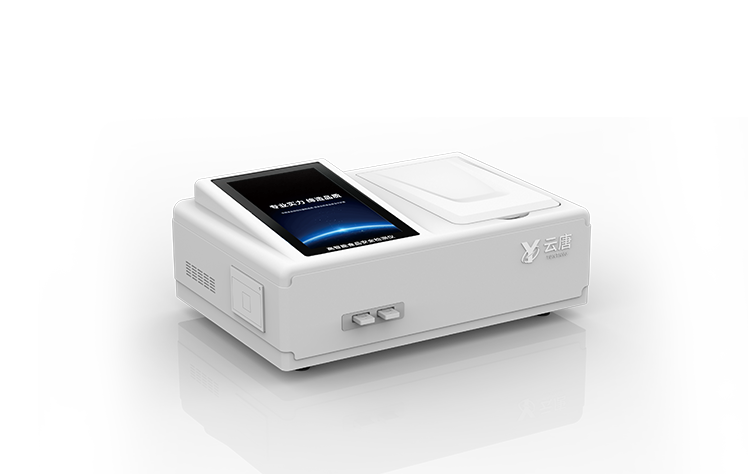
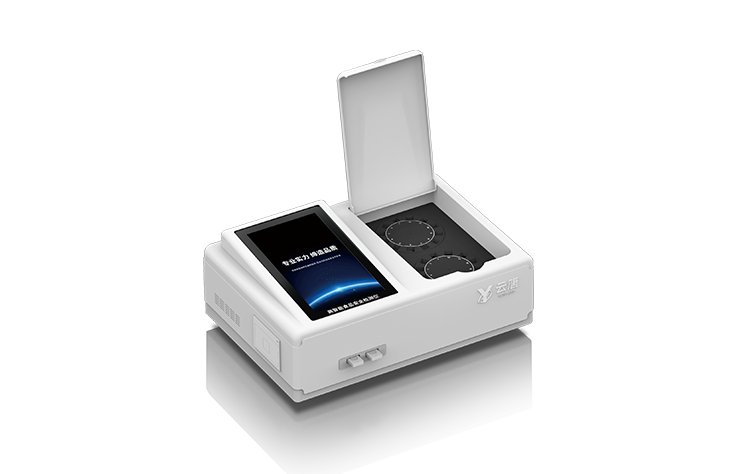
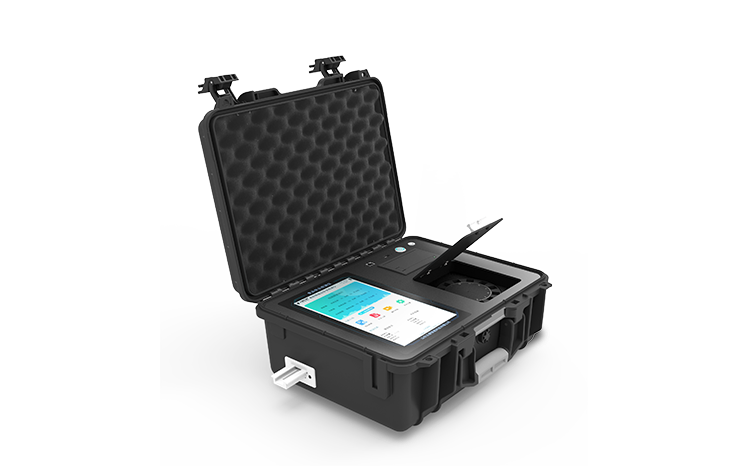
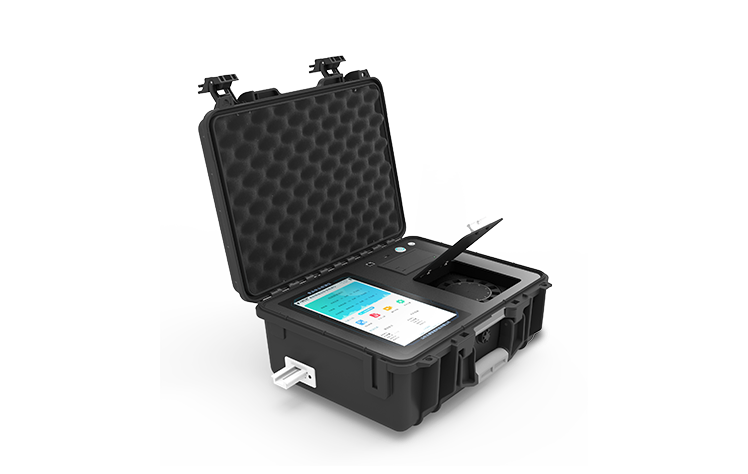
[Product purchase-related questions]
Q: What pitfalls might one encounter when purchasing based solely on the number of channels and ignoring the substrate algorithm?
Answer: Many purchases only compare the number of channels, ignoring the correction of tea substrate. Ordinary fruit and vegetable instruments directly measure tea, resulting in a large number of false positives. Qualified fresh leaves are misjudged as exceeding standards, causing huge economic losses to farmers. When measuring tea, it is necessary to confirm that the equipment has a dedicated tea substrate correction algorithm. For ordinary fruit and vegetable measurements, the BN06 is sufficient. Do not buy models with shared light source channels, as multiple samples can cause crosstalk and poor repeatability.
Q: Does mobile sampling in rural areas overlook the potential hazards of lithium batteries and on-board power supply?
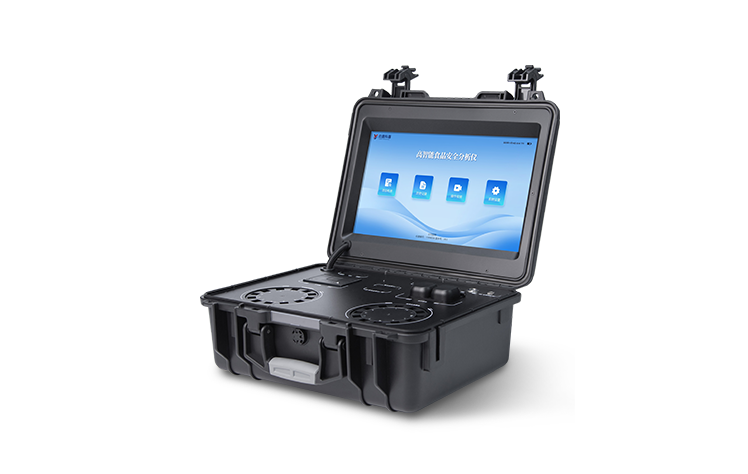
Only considering laboratory desktop models without built-in lithium batteries, it is necessary to bring a generator to rural markets and field sampling, making on-site testing impossible. It is preferred to confirm built-in high-capacity lithium batteries that support car cigarette lighter charging, meeting scenarios without mains power.
Q: If we need to conduct individual colloidal gold tests in the later stage, should we directly buy a regular machine?
Ordinary enzyme inhibition equipment cannot be retrofitted with a colloidal gold module, and future business expansion requires the purchase of a complete new machine. If there is a demand for colloidal gold in the future, the YT‑NY12P comprehensive model should be directly selected, with hardware interfaces reserved, and a track scanning module can be retrofitted later.
Q: Do market regulatory authorities overlook the drawbacks of traceability QR codes and data filtering functions?
Without QR code traceability, paper reports lack verification credentials; it is impossible to filter by sample type, resulting in mixed records of fruits, vegetables, and tea. Organizing supervision ledgers requires manual classification entry by entry, which is a huge workload. Purchasing confirmation supports QR code reports, and records can be filtered and exported to Excel by sample category and time.
Q: Is there a risk in purchasing only small models with 6 channels in the agricultural and sideline products wholesale market?
During peak periods in the wholesale market, there are dozens or even hundreds of samples per day, with multiple rounds of testing on the six-channel machine, leading to a backlog in the testing queue. For large-scale inventory screening, priority is given to the 12-channel machine to increase daily processing throughput.
Q: Are there any hidden defects in the online branded pesticide residue rapid testers?
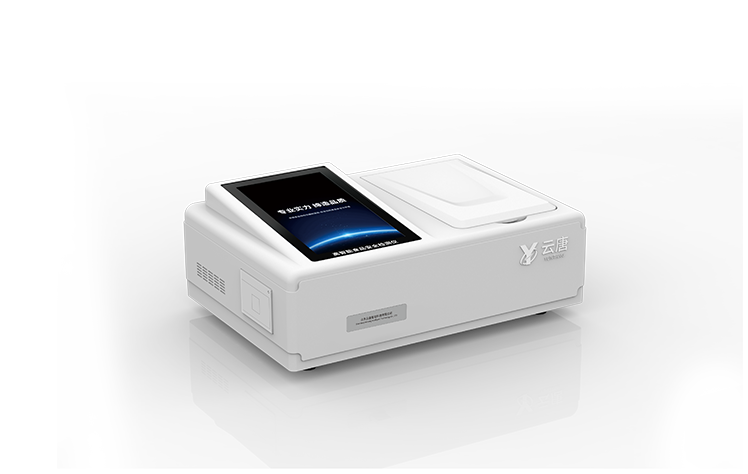
The OEM equipment falsely advertises its channels, claiming to have 12 channels but actually sharing the light source; it lacks a tea matrix correction algorithm; the reagents are not matched; consumable parts such as light sources and cuvettes cannot be purchased separately; and there is no technical guidance provided after sale. It is recommended to choose the original models YT‑BN06 / YT‑CY12 / YT‑NY12P, and avoid low-cost white-label OEM equipment.
[Product functional issues]
What are the potential risks associated with not having independent optical paths and sharing a common light source channel?
When multiple samples are tested simultaneously on the machine, there is significant crosstalk, leading to large deviations in the repeatability of inhibition rates. Consequently, multiple tests on the same sample yield substantial differences in results, rendering large-scale screening data unreliable.
Without a tea leaf substrate correction algorithm, is there a risk in tea leaf detection?
Chlorophyll and tea polyphenols are identified as pesticide inhibitors, resulting in a large number of false positives. The acquisition of tea raw materials is prone to mistakenly deducting qualified fresh leaves, and there are also samples that are truly exceeding standards but are missed in the assessment. Therefore, these methods cannot be used for formal screening of tea.
Without lithium battery portable power supply, what are the limitations of mobile detection?
It can only be conducted indoors in the laboratory, and rapid testing in the field or at markets cannot produce reports on-site. Samples have to be brought back to the laboratory, which defeats the purpose of on-site rapid testing.
Without QR code traceability reports, what are the drawbacks in the regulatory scenario?
The paper receipt only contains simple numbers, lacking verifiable traceability information. In the event of a surprise inspection by market regulators, the report would not be considered valid for reference.
No program storage function, troublesome for large-scale detection?
Every time a sample is changed, all parameters need to be reset, which is prone to entering incorrect reaction times and determination thresholds, thus introducing human-induced detection errors.
No data lock protection risk?
After reaching full capacity, early storage records are automatically overwritten, leaving no original inspection records as evidence in case of food safety disputes.
[Operation-related issues]
Question: What are the consequences of mixing reagents for fruits, vegetables, and tea?
The formulas for tea leaf extraction buffer and general fruit and vegetable buffer are different. Once they are mixed, a large number of false positives will occur regardless of the equipment used. The labels of the two types of reagents should be clearly distinguished, and mixing them is strictly prohibited.
Q: What about the errors caused by omitted blank control and startup light source calibration?
The temperature difference between day and night in the wild or workshop can cause light source drift. Without performing a power-on zero calibration, the inhibition rates of the entire batch of samples will be shifted, leading to incorrect determination of a large number of samples.
Q: Are there issues caused by fingerprints and scratches on the transparent surface of the cuvette?
Fingerprint stains directly alter light transmission, while scratches cause permanent interference with the light path, resulting in inconsistent detection results for the same sample. Scratched cuvettes must be replaced immediately.
Q: What problems can arise if enzyme reagents are not stored in refrigeration?
Enzyme reagent inactivation at high temperatures is the most common cause of false positives in rapid tests; enzymes, substrates, and chromogenic agents must be refrigerated at 2-8°C; portable refrigeration boxes should be used for sampling in rural areas.
Q: What are the risks of directly using the fruit and vegetable program to test tea samples?
Even for a 12-channel integrated machine, a large number of false positives will still occur without switching to the tea substrate mode; it is necessary to switch to the tea detection program when detecting tea.
Q: What are the risks of only storing mobile sampling data locally without timely backup?
Due to instrument hardware failure, all field plot records have been lost; after daily field sampling is completed, priority is given to exporting backups to a USB flash drive, and if conditions permit, they are synchronously uploaded to the cloud.
[Maintenance and upkeep issues]
Only cleaning the machine body daily, without addressing the hidden dangers in the detection chamber channel?
Spilled residues from fruit and vegetable, tea leaf extraction reagents precipitate colored sediments, contaminating the optical path, leading to continuous drift in readings for all subsequent samples; clean the detection chamber and wipe the cuvettes at the end of each daily detection session.
What problems will arise if the LED light source is not calibrated for a long time?
The light source gradually fades, and the suppression rate continues to deviate; perform a standard solution verification and calibration once a month to timely detect light source attenuation.
Is the lithium battery experiencing a long-term discharge storage fault?
If the battery is fully drained and left idle for a long time, the capacity of the lithium battery will significantly decrease, resulting in shorter battery life during field sampling. To maintain the battery, keep it at 50% charge and power it up every 15 days.
What are the hazards of scrubbing cuvettes with a hard bristle brush?
Fine scratches have been made on the transparent surface, permanently damaging the light path; it can only be rinsed with distilled water and lightly wiped with a soft, dust-free cloth. If scratches appear, replace it immediately.
Is there a significant risk in continuing to use expired reagents?
If the enzyme reagent and substrate become inactive due to expiration, the entire detection process will fail; each box of reagent is marked with the opening and expiration dates, and it will be directly discarded upon expiration.
Is it advisable to power on and dehumidify long-term stored equipment irregularly?
The optical path inside the chamber is affected by moisture, causing drift in the light source and photoelectric sensor. Every 15 days, the device is turned on to perform a zero point calibration of the light source, which dissipates the internal moisture. After the chamber is unsealed, the detection can be officially carried out.
High precision pesticide residue detector
2024-04-02 2046
2046Food comprehensive analyzer
2022-12-202069Rotary food safety detector (without gold label)
2022-03-042249Rotating food safety detector (single gold standard)
2022-03-012004Rotary food safety detector (double gold label)
2022-02-251917Rotating food safety detector (three gold standard)
2022-02-255101Rotary food safety detector (box type 8-channel)
2022-03-011894Rotary food safety detector (box type 12 channel)
2022-02-251864WeChat:+86 17865361250
WhatsApp:+86 18866361895
Email:yuntangzhineng@foxmail.com
Copyright @ 2019-2022 Shandong Yuntang Intelligent Technology Co., Ltd All Rights Reserved. Copyright Source manufacturer of pesticide residue detector, food detector, bacteria detector
 WeChat



TOP
 Leave us a message