Pesticide residue detector
Veterinary drug residue detector
Food safety detector
Food additive detector
Bacterial and microbiological detector
Food pre-treatment integrated machine
Soil and fertilizer nutrient detector
Plant Physiology Detector
Water quality detector
Meteorological monitoring station
Pesticide residue detector
Veterinary drug residue detector
Food safety detector
Food additive detector
Bacterial and microbiological detector
Food pre-treatment integrated machine
Soil and fertilizer nutrient detector
Plant Physiology Detector
Water quality detector
Meteorological monitoring station
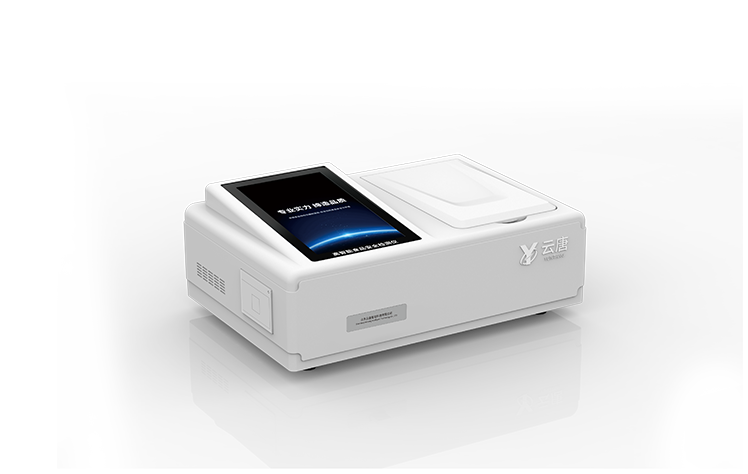
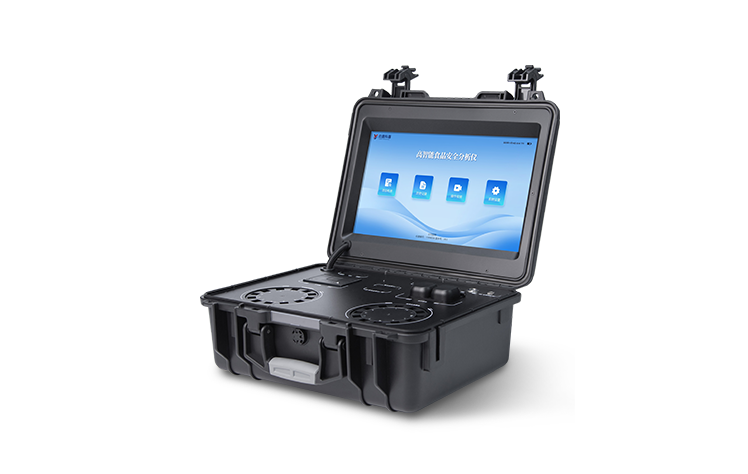
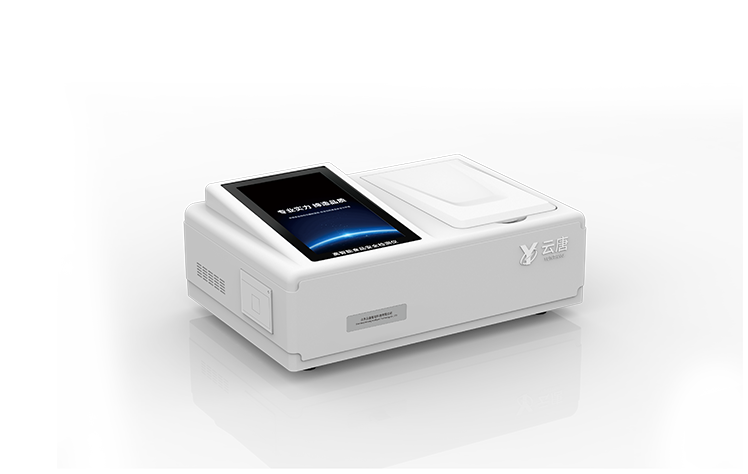
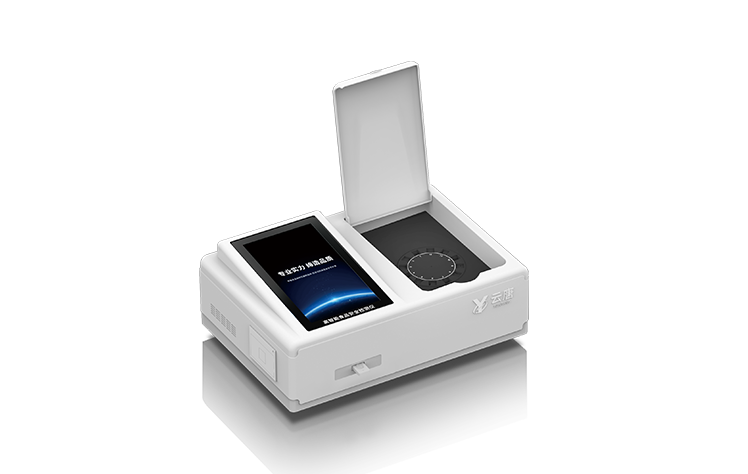
1. Q: What are the hardware bearing differences between YT-TRX07 and YT-TR24 for year-round uninterrupted monitoring in water conservancy irrigation areas?
A: Priced at 36,800 RMB, Yuntang YT-TRX07 has hardware optimized for long-term outdoor fixed-point monitoring. Its mainboard temperature control components are upgraded to operate stably within -40~80℃, with a full set of original layered probe accessories. The minimum automatic sampling interval is 1 minute for unattended collection from 1 minute to 24 hours, and numerical drift is less than 1% after long-term outdoor operation. YT-TR24 costs 26,800 RMB with a focus on multi-channel parallel hardware, supporting up to 8 simultaneous sensors but without original layered probes. Its minimum automatic interval is 10 minutes, with slightly higher temperature drift during long-term continuous testing, suitable for short-term simultaneous surveys across multiple plots rather than year-round single-point monitoring. Select YT-TRX07 for fixed-point long-term irrigation monitoring and YT-TR24 for synchronous short-term surveys across counties, with fully differentiated core hardware optimization directions for different scenarios.
2. Q: What exclusive hardware configurations does YT-TR60 have for university soil ecology research laboratories?
A: Yuntang YT-TR60 is the top-tier model at 59,800 RMB, equipped with 8 independent sensor computing chips that process signals of multiple soil groups without mutual interference. The interchange accuracy is strictly controlled within 3%. It adopts high-precision four-wavelength sensing modules for all seven indicators, with a nitrogen-phosphorus-potassium resolution of 1mg/Kg. A 300,000-record mass solid-state storage chip is built in, and each record binds test groups and soil layers. The cloud platform supports independent file archiving for multi-year research projects, and the upper computer exports raw data for thesis traceability. Models below 36,800 RMB have fewer than 4 synchronous channels and lack layered group storage hardware, requiring multiple batches of parallel tests and extending research cycles, making YT-TR60 uniquely advantageous for parallel scientific experiments.
3. Q: What hardware shortcomings does YT-TR02 have for agricultural supply stores conducting field soil testing?
A: Priced at 5,000 RMB, Yuntang YT-TR02 adopts a single-channel single identification chip, only supporting moisture, temperature, pH and NPK sensors without conductivity and salinity computing hardware; salinity must be calculated manually. Its storage chip only holds 50,000 records without power-off temporary cache, and unsaved data will be lost after power failure. It lacks automatic timing control and 4G wireless communication chips, only supporting manual single-click storage per test. The mainboard computing speed is low, causing reading delays for continuous samples. It is only suitable for indoor testing of less than 10 samples daily, with insufficient hardware for long-term field multi-point monitoring.
4. Q: What is the hardware positioning of YT-TRC with a 6,800 RMB budget for small garden nurseries?
A: Yuntang YT-TRC is a mid-range transition hardware model, upgrading YT-TR02 by adding a simple salinity computing chip that displays salinity directly without manual calculation. Its storage capacity is expanded to 100,000 solid-state records but still adopts a single-channel architecture without multi-channel synchronous hardware. The mainboard has no automatic timing control components and no 4G communication module, only supporting USB data export. It balances basic fertility and salinity testing for nurseries with daily samples under 20, lacking automatic sampling and over-limit early warning compared to YT-TN1 (9,800 RMB), and without multi-channel functions of high-end models above 26,800 RMB, with moderate cost performance for daily nursery inspections.
5. Q: What hardware simplifications are applied to entry-level YT-TR1 and YT-ZSA within 3,000 RMB?
A: Both entry-level models simplify hardware to the same extent, retaining only moisture, temperature and pH sensing hardware while removing NPK and conductivity-salinity computing chips. The storage chip is reduced to 5,000 records without power-off automatic cache circuits. No timing sampling control or 4G wireless mainboard modules are equipped. The single-channel simple identification architecture cannot interchange cross-parameter probes, requiring machine restart and calibration after replacement. No supporting upper computer data operation hardware is provided, only simple on-screen readings available. All hardware related to fertility and salinity monitoring is deleted, only meeting basic watering judgment for greenhouses.
6. Q: What hardware advantages does YT-TRX06 have for special saline-alkali soil improvement monitoring?
A: Priced at 26,800 RMB, Yuntang YT-TRX06 has a separately optimized conductivity sensing module with hardware compensation circuits for high-value sections. The error is stabilized at ±3% within 0-10,000us/cm and ±5% from 10,000 to 20,000us/cm, with a salinity resolution of 0.001g/Kg factory-calibrated. The mainboard identification chip has strong compatibility with all layered salinity probes without accuracy loss after interchange. YT-TR24 focuses on multi-channel synchronous collection without special salinity compensation hardware, leading to larger numerical drift on high-salinity land, so YT-TRX06 is preferred for special saline-alkali soil monitoring.
1. Q: What are the limitations of single-channel models compared with multi-channel synchronous collection hardware?
A: Yuntang YT-TR24 and YT-TR60 are equipped with multi-path independent computing chips that simultaneously read seven indicators of multiple soil layers and test groups, cutting testing time in half for large-area surveys. YT-TR1, YT-TR02 and YT-TRC all adopt single-channel hardware, requiring repeated probe plugging and separate testing for multiple plots, which doubles the workload. Single-channel models cannot archive data by groups, mixing records of multiple plots and complicating later sorting. Multi-channel parallel hardware is the core advantage for batch simultaneous testing in farms and research institutions.
2. Q: What data loss risks exist for mid-range models without power-off cache storage hardware?
A: High-end models above 26,800 RMB are equipped with dual solid-state storage media; all data is written synchronously and can be fully retrieved after restart even with sudden power failure. Mid-range models under 9,800 only have temporary memory cache, and unsaved records are cleared immediately after power cut. For field surveys and unattended long-term monitoring, whole batches of data are prone to loss. Entry and mid-range machines have storage limits of 5,000-100,000 records without classified archiving for automatic sampling, requiring frequent data export and clearing for large-area surveys, with high risks of mixed or lost plot data.
3. Q: How does the 4G wireless transmission hardware improve long-term data management?
A: Yuntang YT-TR24, X07 and YT-TR60 with 4G hardware upload seven-indicator data to the cloud platform in real time, generating long-term curves by plot and soil layer with permanent online storage accessible remotely by mobile phones and computers. Models priced 3,000-9,800 have no 4G hardware and only support local USB export; field data must be copied indoors without real-time remote viewing of soil moisture, delaying early warning of drought and salinization, leading to lagging regional risk control.
4. Q: What is the application value of automatic timing sampling hardware?
A: The mainboards of YT-TRX07, YT-TR60 and YT-TR24 have timing control hardware with adjustable intervals from 1 minute to 24 hours for unattended continuous collection in irrigation areas and test fields. Mid-range entry machines lack this circuit and require on-site manual storage for every record, demanding full-time staff for 24-hour monitoring and failing to form complete continuous time-series data, an indispensable function for long-term fixed-point observation.
5. Q: What functional gaps do mid-range models have without upper computer over-limit early warning hardware?
A: After exporting data from YT-TR24, X07 and YT-TR60, the upper computer automatically marks values exceeding national standards with different colors based on hardware operation units for easy identification of drought and salinization plots. All models under 9,800 only export pure numerical tables without threshold judgment, requiring manual line-by-line comparison with standards and multiplying sorting workload for full-region surveys. For long-term ecological research and water conservancy monitoring, the lack of automatic early warning extends data analysis cycles significantly.
6. Q: What are the advantages of automatic interchange sensor hardware?
A: High-end models’ multi-path identification chips automatically recognize moisture, salinity and nutrient probes inserted into any interface without recalibration after replacement, with interchange accuracy under 3%. Mid-range single-channel machines cannot identify cross-parameter probes and need machine restart and full calibration after replacement, adding repeated operation steps for field multi-layer testing and reducing efficiency.
1. Q: Standard parallel testing operation of YT-TR68 8-channel scientific research host?
A: Connect 8 groups of sensors for different soil layers and water/fertilizer treatments to the 8 independent interfaces, power on for automatic identification and label each test group on the screen. Set a 2-hour automatic sampling interval and enable cloud group archiving. Insert all probes into corresponding soil samples for simultaneous seven-indicator testing uploaded to the research cloud in real time. After the test, export all data via the upper computer to generate comparative charts with over-limit samples highlighted. Clean and store probes separately to avoid cross-contamination of soil samples.
2. Q: Complete in-situ automatic setup operation of YT-TRX07 for irrigation areas?
A: Select original layered sensors matching irrigation soil depths and connect to the host for automatic identification and zero calibration. Enter the system to set a 2-hour sampling interval and activate power-off cache and 4G upload, labeling irrigation sub-regions and plots. Embed probes into fixed monitoring points and place the host in a waterproof box for year-round unattended testing. Log into the cloud weekly to view moisture curves with automatic early warning for dry and saline areas, and back up all 300,000 local data monthly via USB.
3. Q: Field testing operation points of single-channel YT-TR02 for agricultural supply stores?
A: Carry host and nutrient/moisture probes, power on and complete zero calibration on arrival at farm plots. Clear surface gravel and weeds, insert probes vertically and wait 1 second for stable readings, manually store with farmer numbers attached. Wipe probes after each customer to avoid cross-contamination. Export Excel ledgers via USB at the end of each day and print records for farmers. The model cannot directly read salinity; conductivity must be converted manually for saline-alkali land samples without automatic sampling, slowing efficiency with over 20 daily samples.
4. Q: Daily operation process of entry-level YT-TR1 for greenhouses?
A: Only moisture, temperature and pH testing is supported. Insert the shallow probe 10cm into greenhouse soil, wait for readings and save single records manually. Test multiple plot points and shut down for cleaning after daily work. No nutrient or salinity detection hardware is equipped, only used as a simple watering reference without cloud or curve functions, requiring manual paper record sorting.
5. Calibration operation for interchangeable sensors on multi-channel hosts?
A: Insert different parameter probes into any channel; the machine automatically identifies and switches screen indicators. Place blank standard soil for single-point zero calibration to ensure interchange accuracy below 3%. Mid-range single-channel machines need full machine restart and calibration after cross-probe replacement, with more operation steps for field work.
6. Multi-condition retrieval operation of high-end models on the cloud platform?
A: Input plot, soil layer and crop labels before sampling for automatic cloud binding. Log into the cloud webpage to filter by time period, plot and crop simultaneously to access all historical records of designated areas, generate single-indicator trend charts in bulk and export multi-year Excel ledgers. Low-end machines have no 4G cloud function and store mixed data requiring page-by-page manual review.
1. Long-term maintenance for multi-channel host interfaces?
A Plug and pull probes gently without bending wires violently. Blow soil in interface gaps with an air blower to avoid sensor identification failure due to accumulated dirt. Insert full dust plugs into all interfaces during long-term storage to prevent metal oxidation. Ventilate the machine for 30 minutes after outdoor use before packing to avoid liquid burning internal chips. Multi-channel models have more interfaces requiring doubled cleaning frequency.
2. Special maintenance for salinity sensors?
A Clean salt crystals on probes with soft brushes and clean water after saline-alkali land testing. Soak probes in neutral diluted cleaning solution monthly to remove salt deposits, rinse and dry fully before storage. Residual salt will raise conductivity error above 5%. High-end salinity-optimized models need monthly deep cleaning, while entry machines without salinity probes skip this step.
3. Battery maintenance differences across Yuntang models?
A High-end multi-channel and 4G models consume more power; recharge when power hits 20% and avoid full power-off damage. Charge at room temperature instead of high-temperature greenhouses. For storage over 15 days, remove batteries at half charge and replenish biweekly. Single-channel entry machines have low power consumption with longer charge cycles.
4. Moisture-proof maintenance of 4G communication modules?
A Fasten dust-proof rubber plugs of 4G and USB interfaces after each use. Wipe SIM metal chips monthly before reinstallation to avoid no signal from oxidation. Ventilate outdoor machines fully before packing and store away from corrosive farm chemicals in warehouses. Entry machines without 4G modules skip card slot maintenance.
5. Sun protection maintenance of LCD screens?
A Cover the original light-shielding dust cover when unused outdoors to prevent LCD yellowing from long sunlight exposure. Wipe dirt with dry dust-free cloth; alcohol is forbidden to avoid coating corrosion. Ventilate high-humidity machines before storage and power on weekly for long-term storage to prevent screen failure.
6. Complete storage process for all models during long idle periods over 15 days?
A Power off and clean all probes of soil and salt crystals for separate storage. Cover the screen and fasten all interface rubber plugs. Remove lithium batteries at half charge and place desiccants in the carrying case, stored in a room-temperature dry warehouse away from farm chemicals. Power on for full self-inspection every 10 days; high-end models with 4G additionally test cloud upload and sensor identification functions to prevent circuit drift from dampness.
High precision pesticide residue detector
2024-04-02 2067
2067Food comprehensive analyzer
2022-12-202084Rotary food safety detector (without gold label)
2022-03-042265Rotating food safety detector (single gold standard)
2022-03-012021Rotary food safety detector (double gold label)
2022-02-251936Rotating food safety detector (three gold standard)
2022-02-255125Rotary food safety detector (box type 8-channel)
2022-03-011913Rotary food safety detector (box type 12 channel)
2022-02-251881WeChat:+86 17865361250
WhatsApp:+86 18866361895
Email:yuntangzhineng@foxmail.com
Copyright @ 2019-2022 Shandong Yuntang Intelligent Technology Co., Ltd All Rights Reserved. Copyright Source manufacturer of pesticide residue detector, food detector, bacteria detector
 WeChat


TOP
 Leave us a message