Pesticide residue detector
Veterinary drug residue detector
Food safety detector
Food additive detector
Bacterial and microbiological detector
Food pre-treatment integrated machine
Soil and fertilizer nutrient detector
Plant Physiology Detector
Water quality detector
Meteorological monitoring station
Pesticide residue detector
Veterinary drug residue detector
Food safety detector
Food additive detector
Bacterial and microbiological detector
Food pre-treatment integrated machine
Soil and fertilizer nutrient detector
Plant Physiology Detector
Water quality detector
Meteorological monitoring station
Product Selection Questions
Q: Which model is suitable for one-stop testing demands?
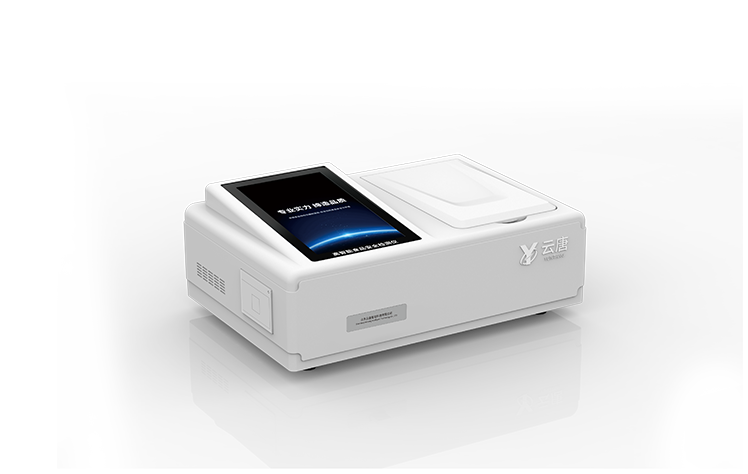
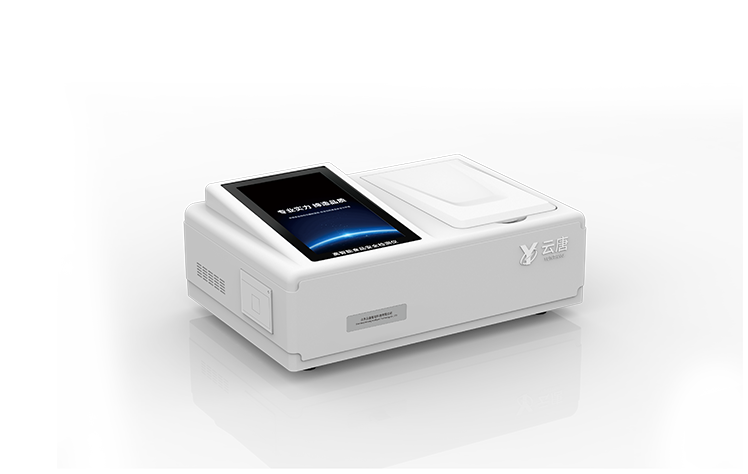
A: Choose the Yuntang YT‑GA4. With over 200 test items, 24 channels and three integrated modules, it covers pesticide residues, veterinary drugs, heavy metals, food additives, toxins and animal diseases in one unit, cutting the cost of purchasing multiple devices.
Q: Recommendations for small food workshops?
A: For limited budgets, select entry-level Yuntang models or basic Yunze devices. They cover core testing items with simple operation and small footprint, meet regulatory inspection standards and deliver high cost performance.
Q: Core indicators for inspection and quarantine departments?
A: Key factors include precision, throughput, traceability and compliance. The Yuntang YT‑GA4 features an error margin of 0.1%, 24 detection channels, cloud data upload and standardized reports, satisfying high-standard quarantine requirements for ports and local authorities.
Q: How to verify whether an instrument complies with national standards?
A: Verify testing methods, detection limits, repeatability and judgment criteria. All testing items of Yuntang fully comply with national standards, with complete certification and verification reports provided to ensure full compliance.
Q: Expandable modules vs fixed modules: how to choose?
A: Expandable modules are preferred. The Yuntang YT‑GA4 supports freely combined modules, enabling new testing items to be added without replacing the main unit for better long-term cost-effectiveness. Fixed modules are suitable for users with stable and fixed testing demands.
Q: Application scenario summary of the four brands?
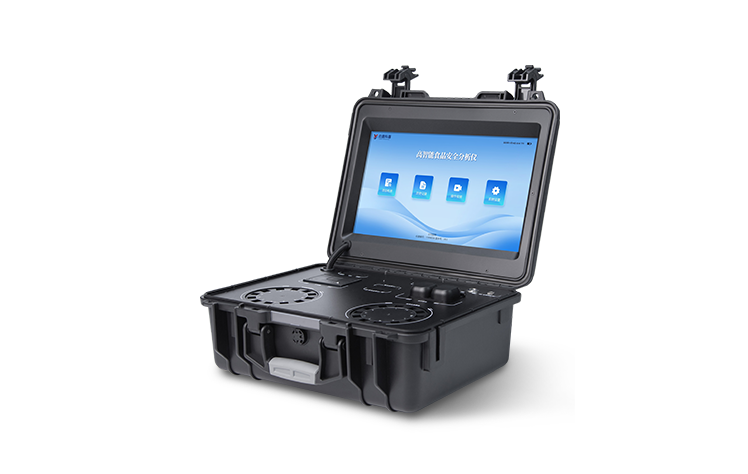
A: Yuntang: universal for all scenarios; Lanhong Optoelectronics: portable for mobile law enforcement; Zhongyun Technology: data supervision and networked management; Yunze: basic testing for small-scale users. Select according to testing items, throughput, budget and working environment.
Product Function Questions
Q: Advantages of high-precision light source and optical path system
A: Equipped with imported four-wavelength cold light sources and 64 switchable optical wavelengths with unified chip calibration. It minimizes channel errors and ensures stable, reliable test results, ideal for trace substance detection.
Q: How does the instrument improve batch testing efficiency?
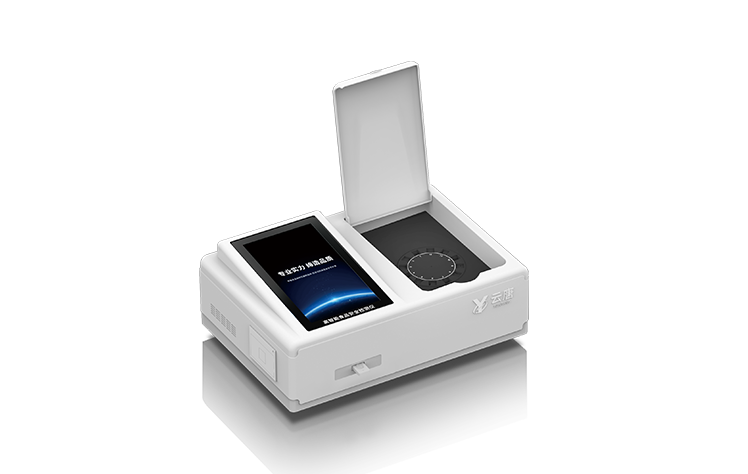
A: 24 synchronous detection channels and a rotating colorimetric cell enable rapid switching and multi-sample simultaneous testing. Batch information editing on the interface greatly shortens testing time and is perfect for centralized random inspections.
Q: Value of data supervision and cloud upload
A: Real-time data uploading to regulatory platforms supports regional big data analysis, risk early warning and traceability management. It strengthens regulatory efficiency and meets digital supervision requirements.
Q: Benefits of AC/DC dual power supply
A: Stable mains power for laboratory use, while built-in battery and vehicle power supply support outdoor operations. Free from site restrictions, it adapts to both fixed laboratory testing and mobile field inspection for wider application.
Q: Functions of customized printing
A: Customizable editable content generates qualified certificates and inspection reports in line with Ministry of Agriculture standards, meeting differentiated demands for law enforcement filing, enterprise quality control and customer review.
Q: Importance of remote upgrade
A: Factory-return-free, non-stop and free system updates keep testing methods up to date, extend equipment service life and effectively reduce daily maintenance costs.
Operation & Usage Questions
Q: Complete standard testing workflow
A: Power-on self-inspection → instrument calibration → sample pretreatment → sample loading → item selection → test initiation → automatic result interpretation → data storage → report printing / data export, with standardized and efficient procedures.
Q: Common misconceptions in colloidal gold testing
A: Common errors include skipping preheating, contaminated test cards, strong light interference and manual result reading instead of automatic interpretation. Standard operations: keep room temperature balance, clean the card slot, avoid strong light and adopt automatic analytical reading.
Q: How to prevent data loss?
A: Adopt triple data storage, regular USB backup, cloud synchronization via network connection, standardized shutdown procedures and power failure prevention to fully secure test data.
Q: Precautions for simultaneous multi-item testing
A: Match corresponding testing items with independent channels, avoid sample mixing, use cuvettes and test cards correctly, start detection synchronously and rely on automatic result classification to prevent data confusion.
Q: Touch screen operation and system setting tips
A: Collect frequently used functions for quick switching; adjust screen brightness and volume according to the environment; clear cache regularly to maintain smooth system operation.
Q: Solutions for abnormal test results
A: Recalibrate the instrument, recheck samples, replace expired reagents and eliminate cross-contamination. Contact after-sales support if abnormalities persist to guarantee accurate and credible results.
Maintenance & Upkeep Questions
Q: Three core elements of daily maintenance
A: Cleaning, calibration and moisture proofing. Thoroughly clean the instrument after each use, complete calibration before testing and keep the working environment dry to prolong service life and maintain detection accuracy.
Q: Prohibited operations when cleaning optical components
A: Do not wipe with hard objects or strong acid and alkali solutions. Use professional dust-free cloths and designated cleaning reagents to prevent damage to optical coatings and internal light paths.
Q: Correct charging and discharging methods for batteries
A: Adopt shallow charging and discharging; complete a full charge-discharge cycle monthly; avoid long-term storage with low power; power on the instrument regularly during long idle periods to maintain battery capacity.
Q: Software system maintenance guidelines
A: Enable automatic system updates, back up data regularly, clear junk files, ensure virus protection and do not install unrelated third-party software to maintain stable operation.
Q: Notes for fault repair and service application
A: Record fault phenomena, error codes and operation steps in detail before contacting after-sales service. Do not disassemble the instrument privately; choose official original maintenance to ensure equipment precision.
Q: Methods to extend instrument service life
A: Standardize daily operation, perform regular maintenance, replace aging accessories in a timely manner and arrange a suitable working environment. The service life of the instrument can reach 5 to 8 years with proper use.
High precision pesticide residue detector
2024-04-02 2067
2067Food comprehensive analyzer
2022-12-202084Rotary food safety detector (without gold label)
2022-03-042264Rotating food safety detector (single gold standard)
2022-03-012021Rotary food safety detector (double gold label)
2022-02-251933Rotating food safety detector (three gold standard)
2022-02-255125Rotary food safety detector (box type 8-channel)
2022-03-011911Rotary food safety detector (box type 12 channel)
2022-02-251881WeChat:+86 17865361250
WhatsApp:+86 18866361895
Email:yuntangzhineng@foxmail.com
Copyright @ 2019-2022 Shandong Yuntang Intelligent Technology Co., Ltd All Rights Reserved. Copyright Source manufacturer of pesticide residue detector, food detector, bacteria detector
 WeChat



TOP
 Leave us a message